CAN Controller
Title
This is some text inside of a div block.
Title
This is some text inside of a div block.
Title
This is some text inside of a div block.

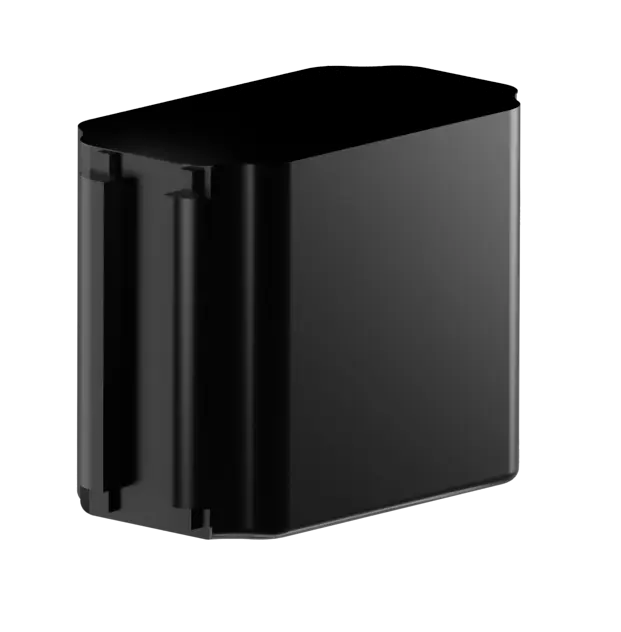
Smaller shell.
Greater durability.

How we helped modernize a much-loved CAN controller for the next generation of machines.
50%
Smaller footprint
LED
Diagnostic system
66%
Shorter production cycle
key features

Redesigned for durability and scalability

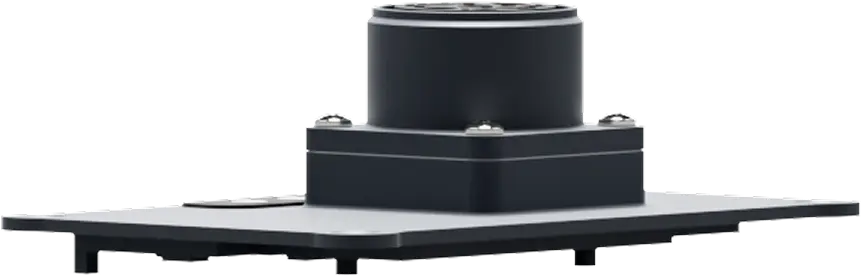
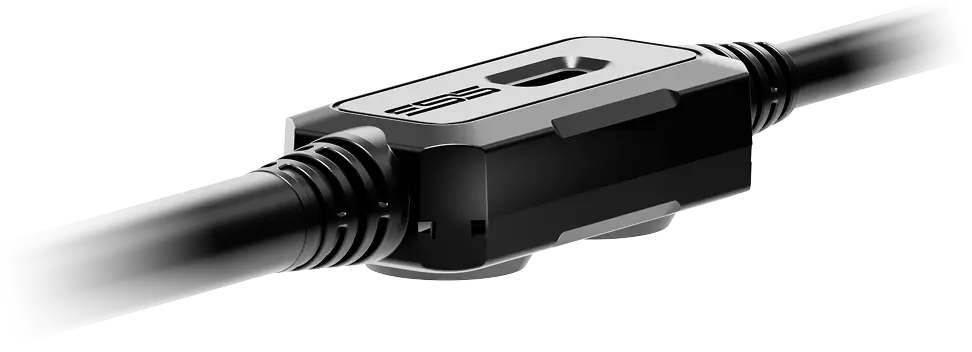
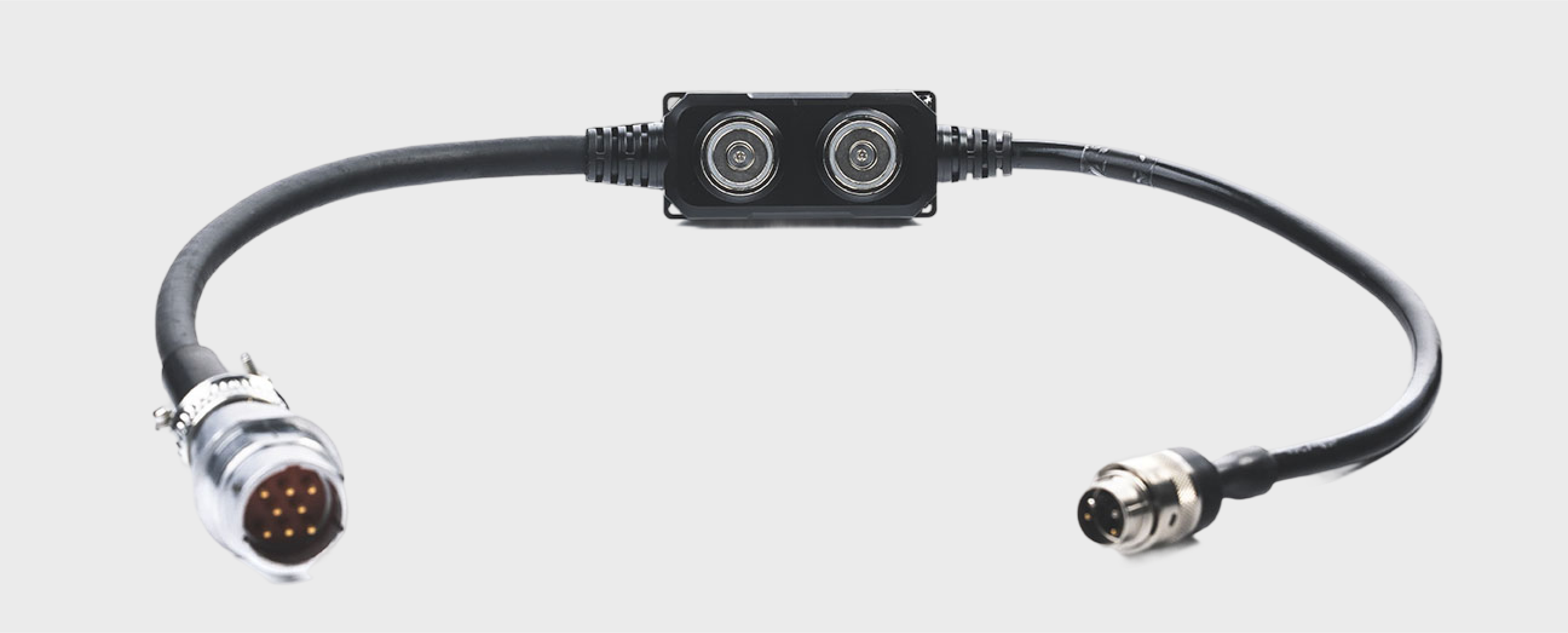
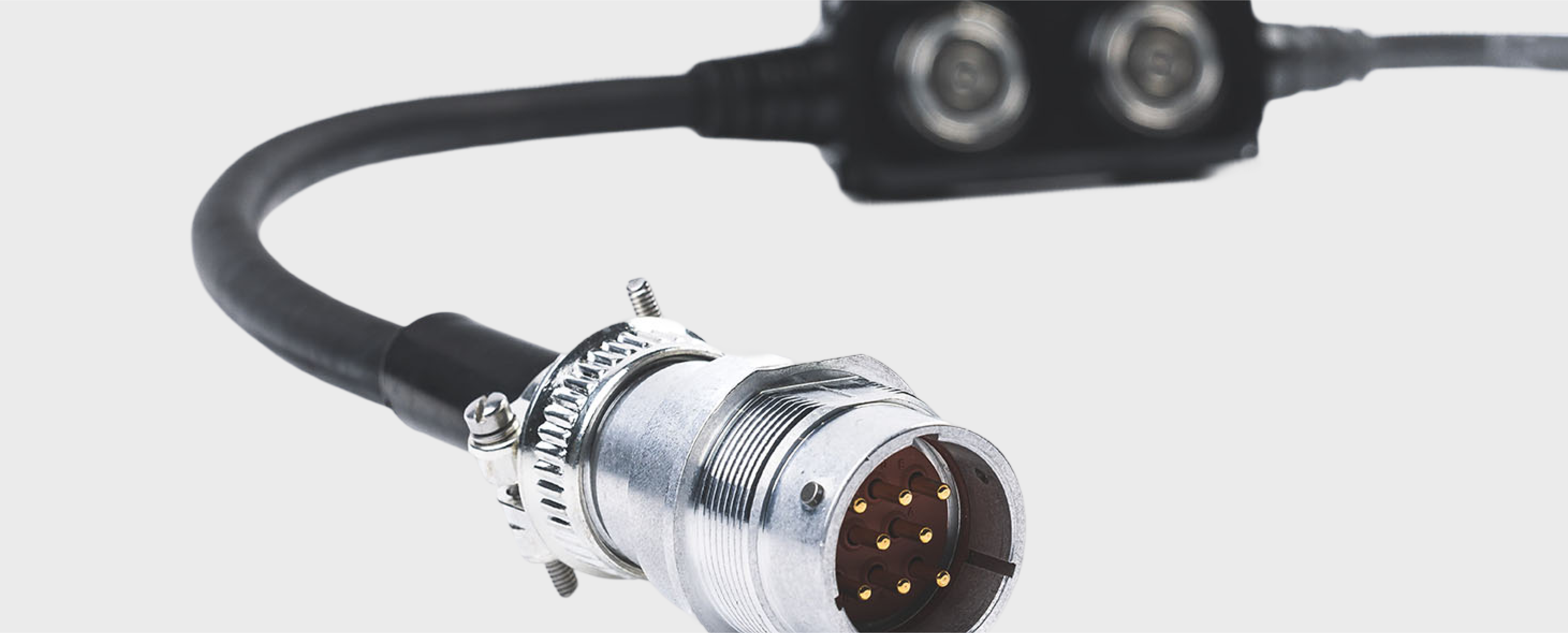
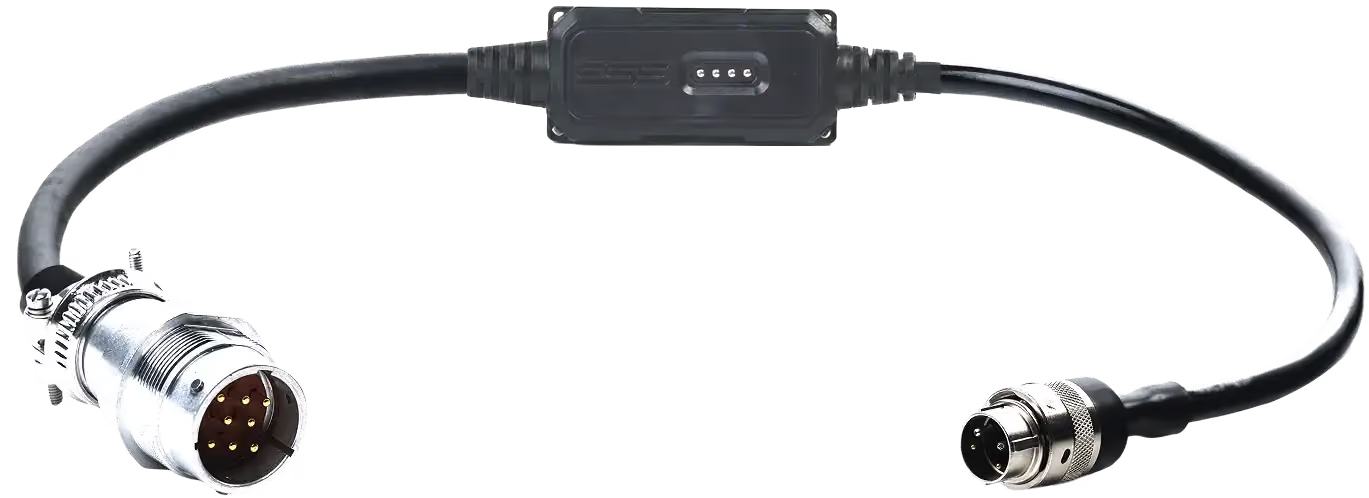
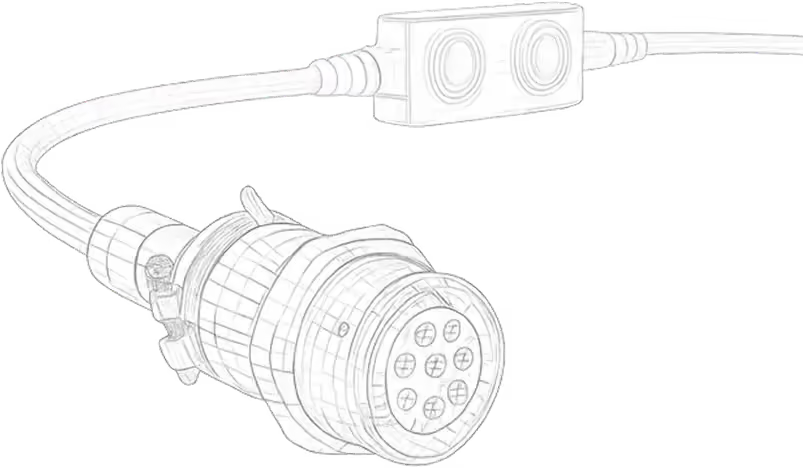
Sealed cable with strain relief
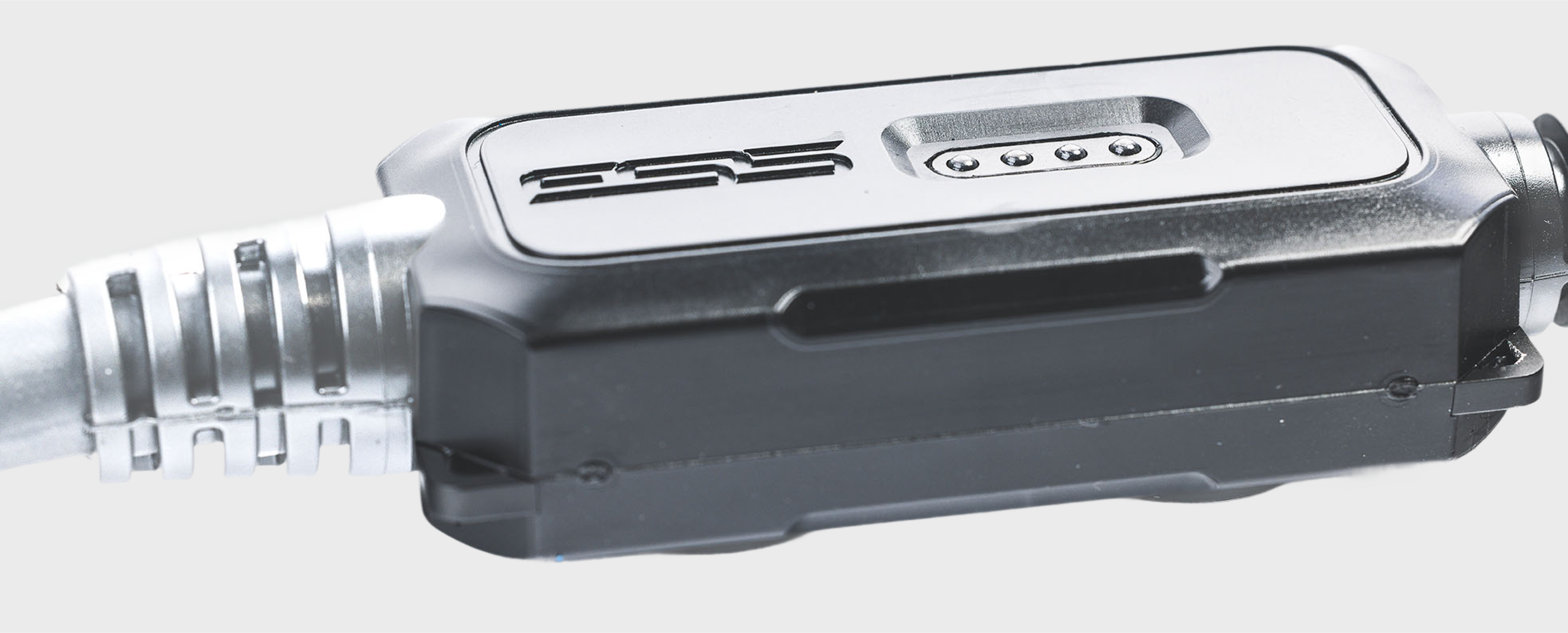
The sealed cable allows for both power and data to pass through a single connection point, while the integrated strain relief improves durability during field use.
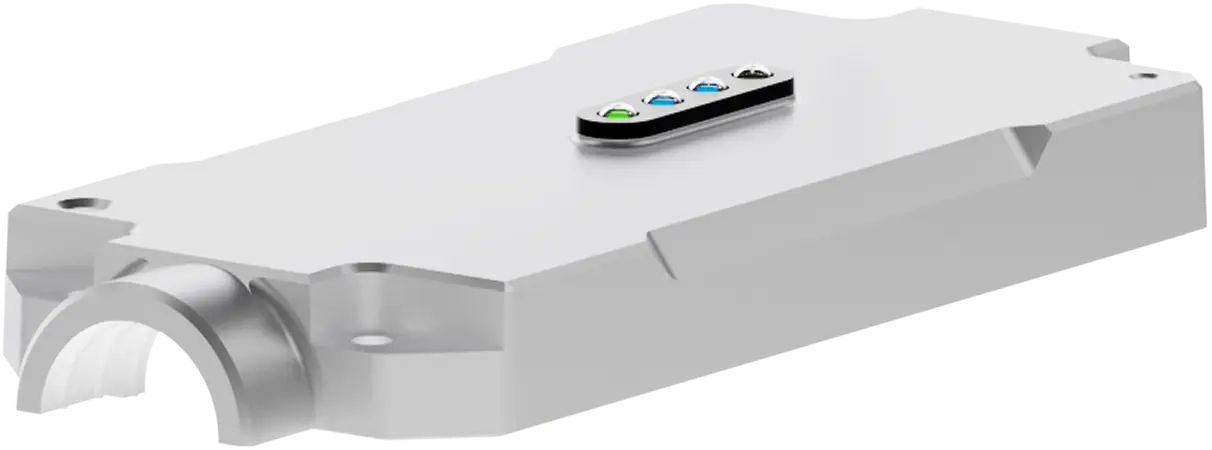
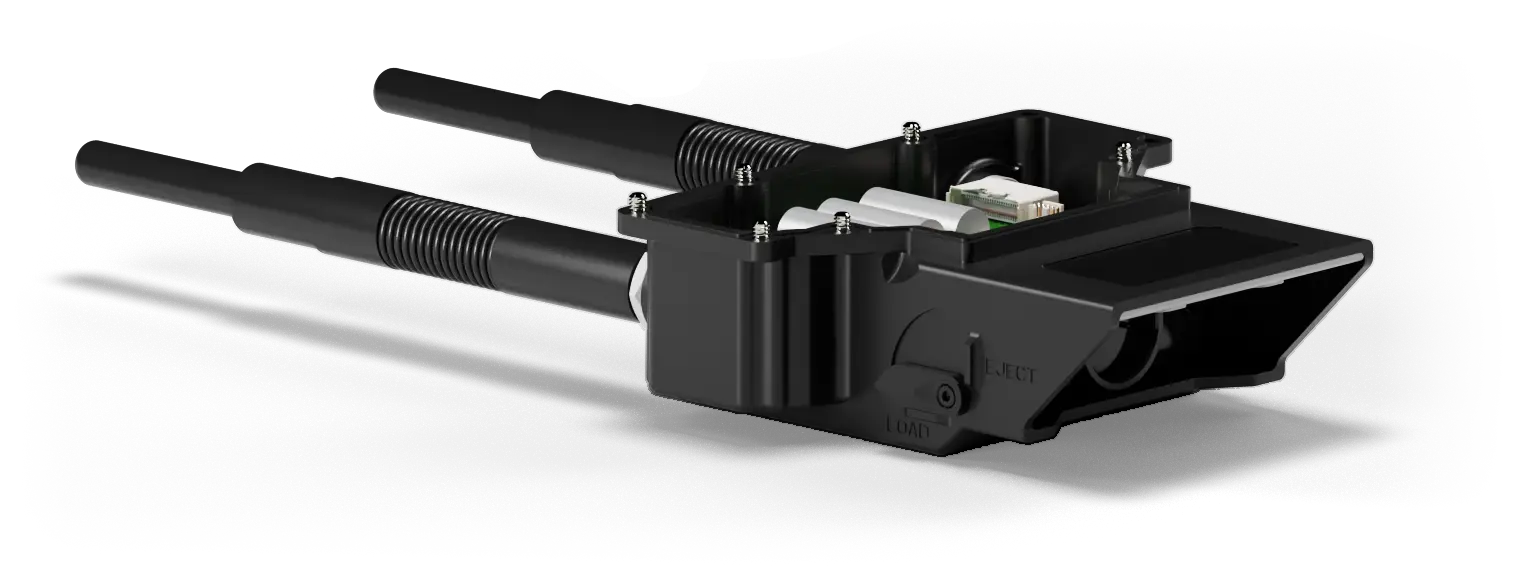
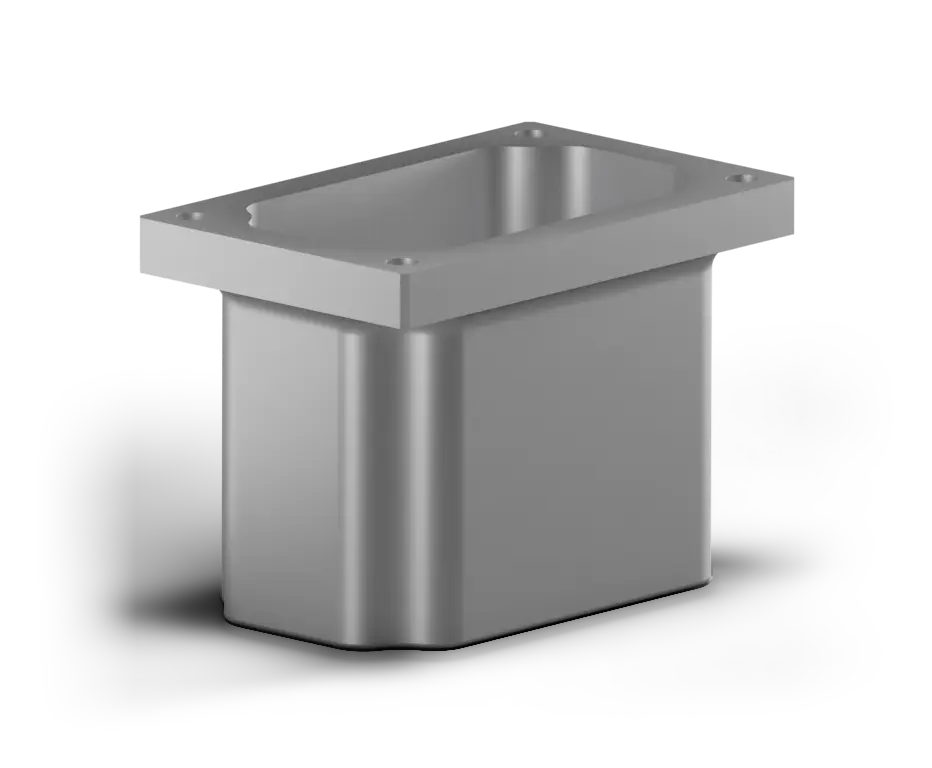
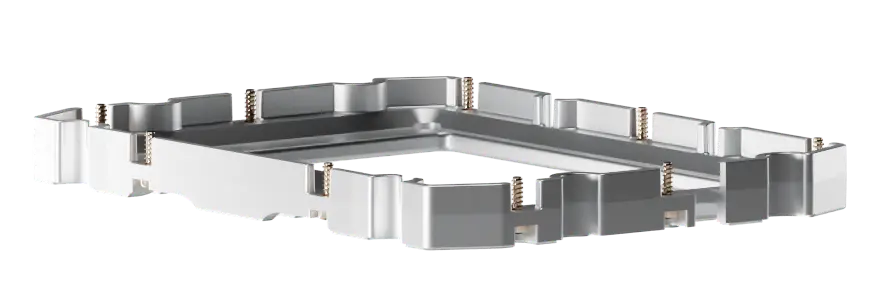
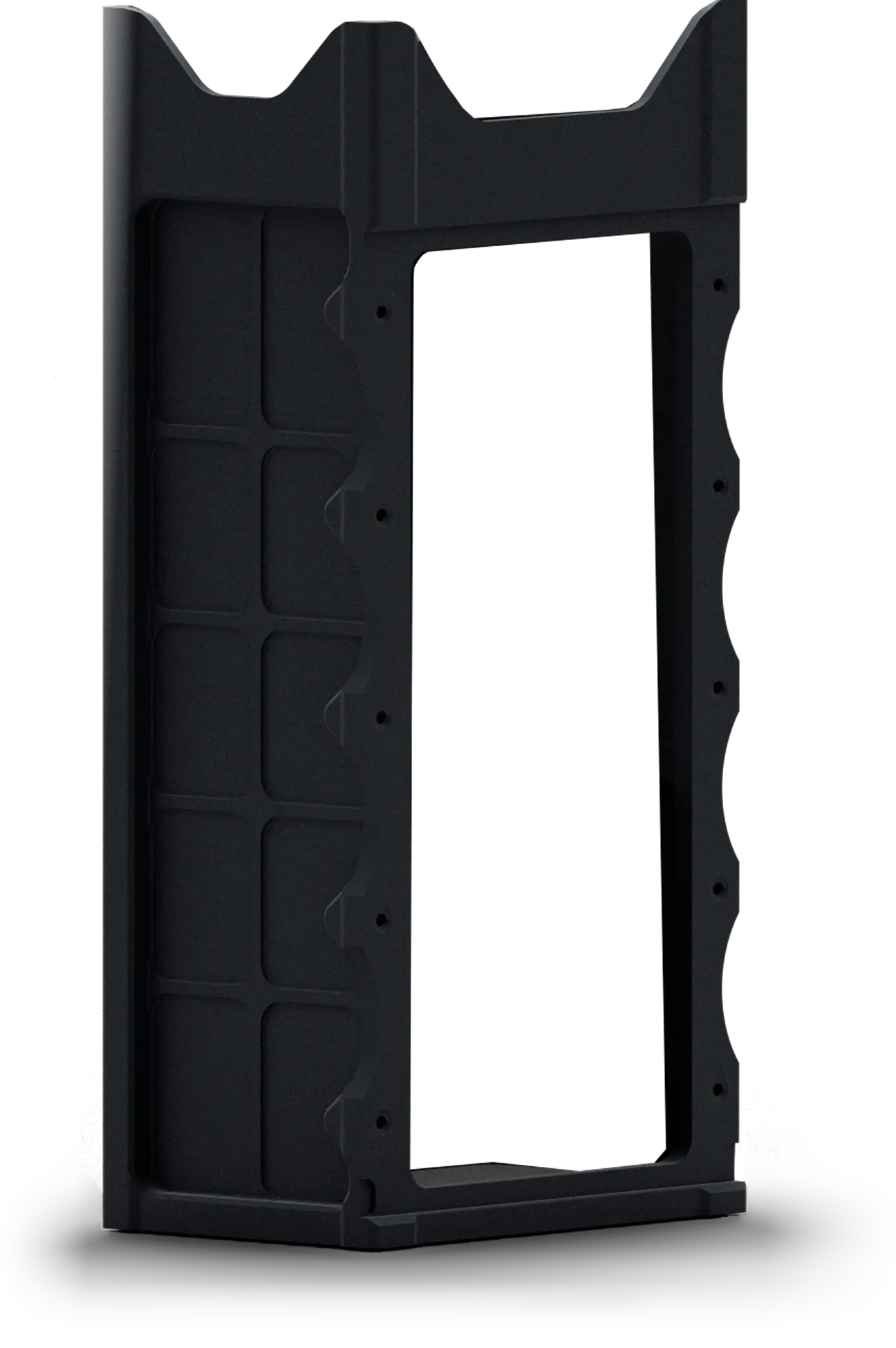
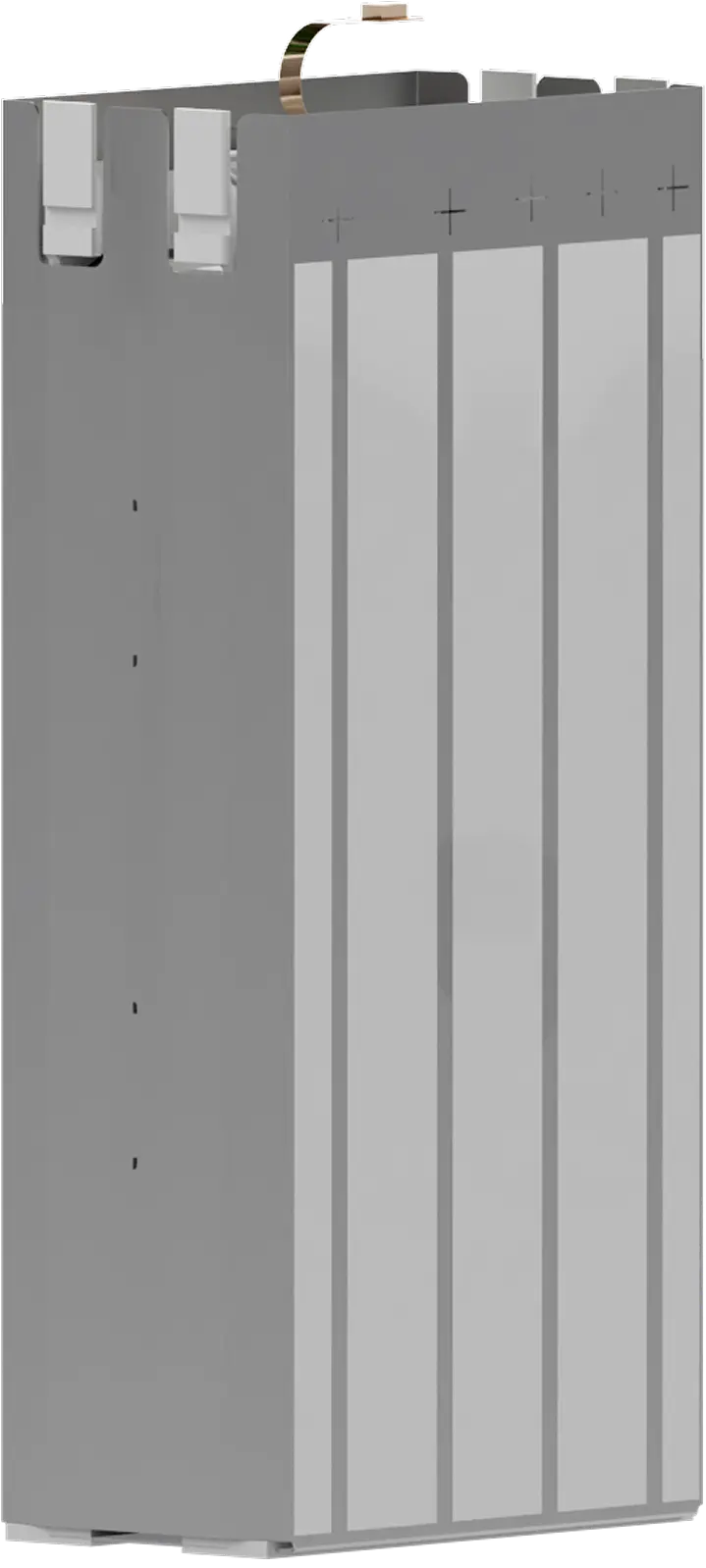
Aluminum upper shell with visible diagnostics
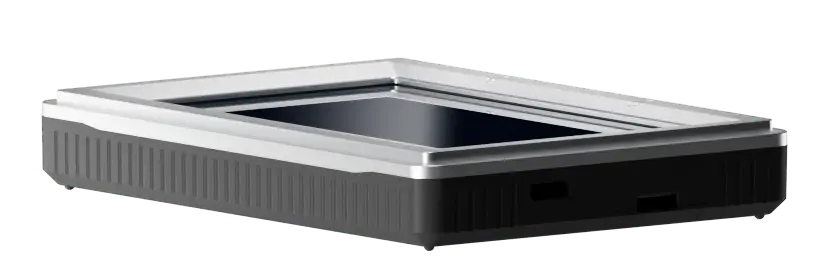
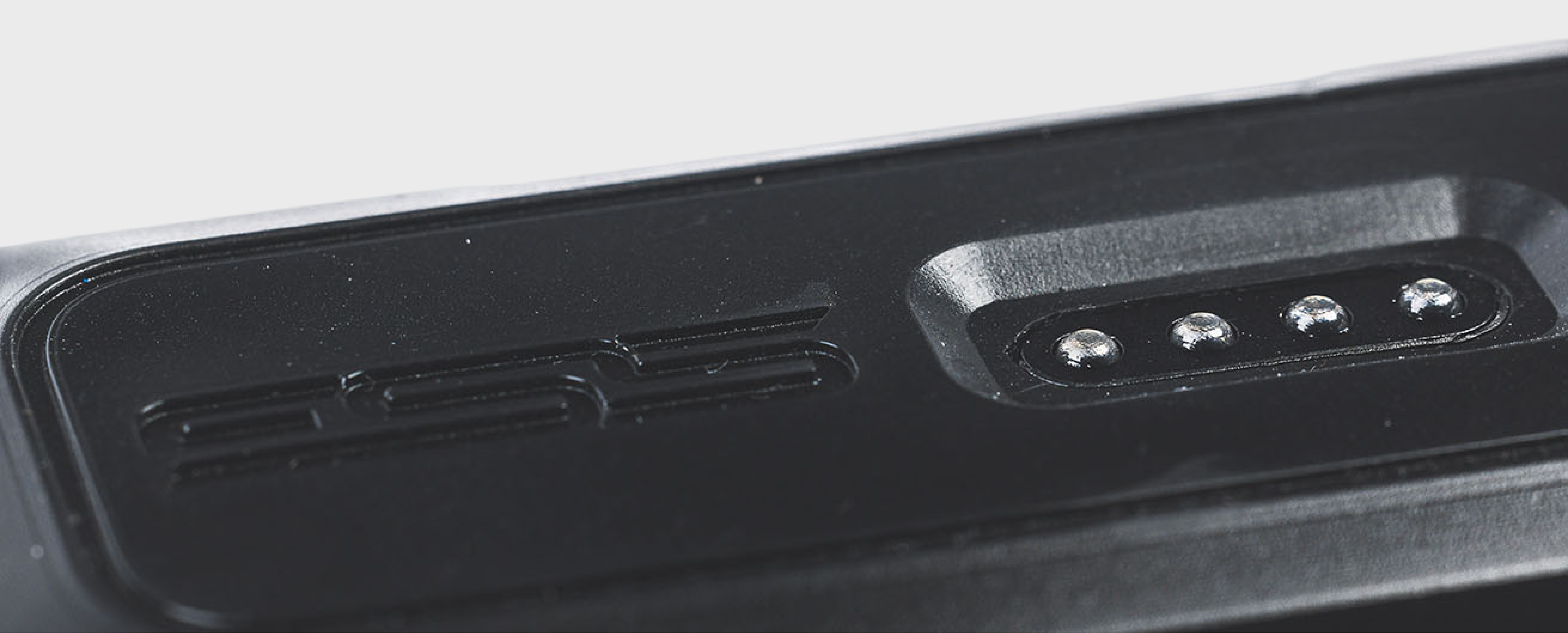
The rigid shell protects the electronics and includes a recessed window that keeps diagnostic LEDs visible after sealing, enabling quick field checks without disassembly.
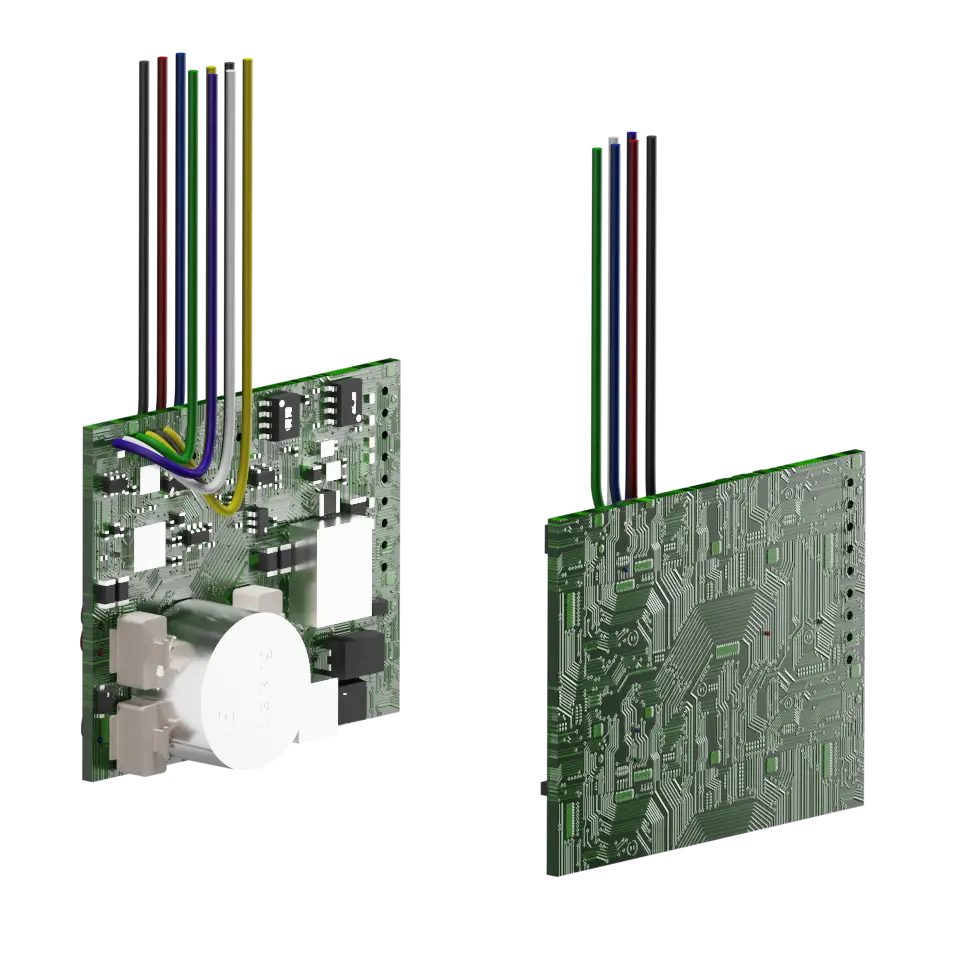
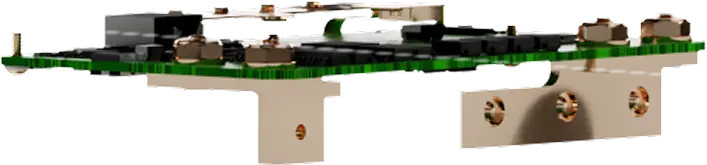
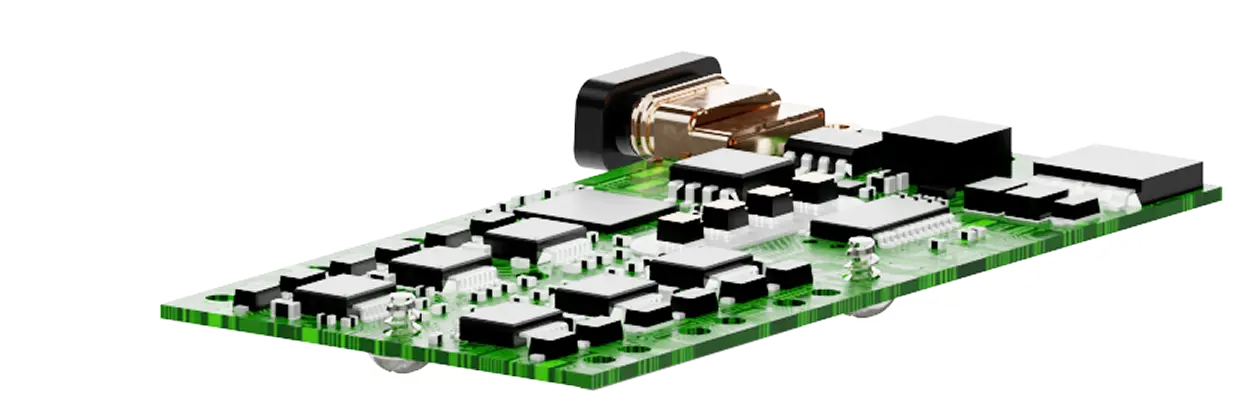
Compact PCB with embedded fault detection
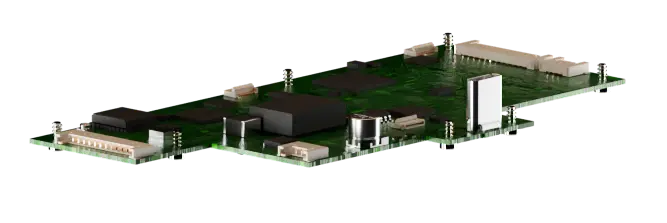
The condensed PCB layout allows for tighter integration and improved thermal flow, while embedded firmware provides real-time LED-based fault diagnostics.
Encapsulation layer for rugged protection
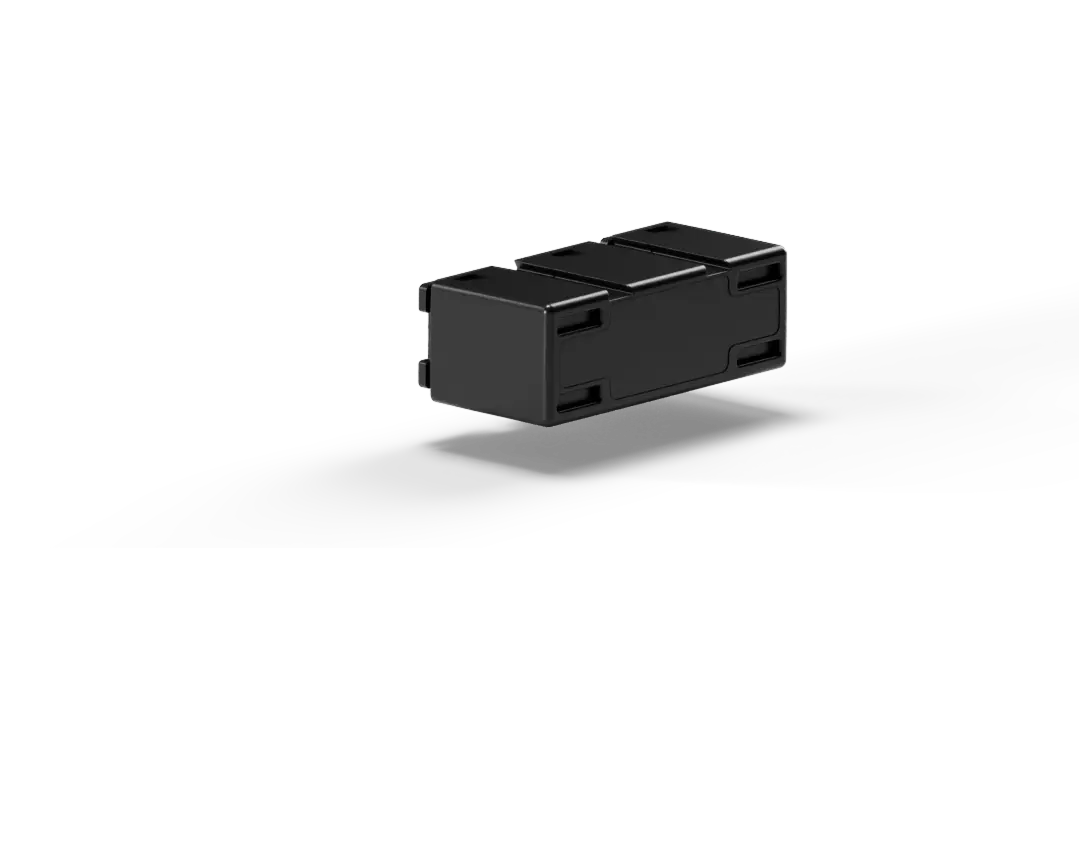
The custom-fit epoxy provides a protective barrier against vibration, moisture and debris, while reinforcing the internal structure of the device.
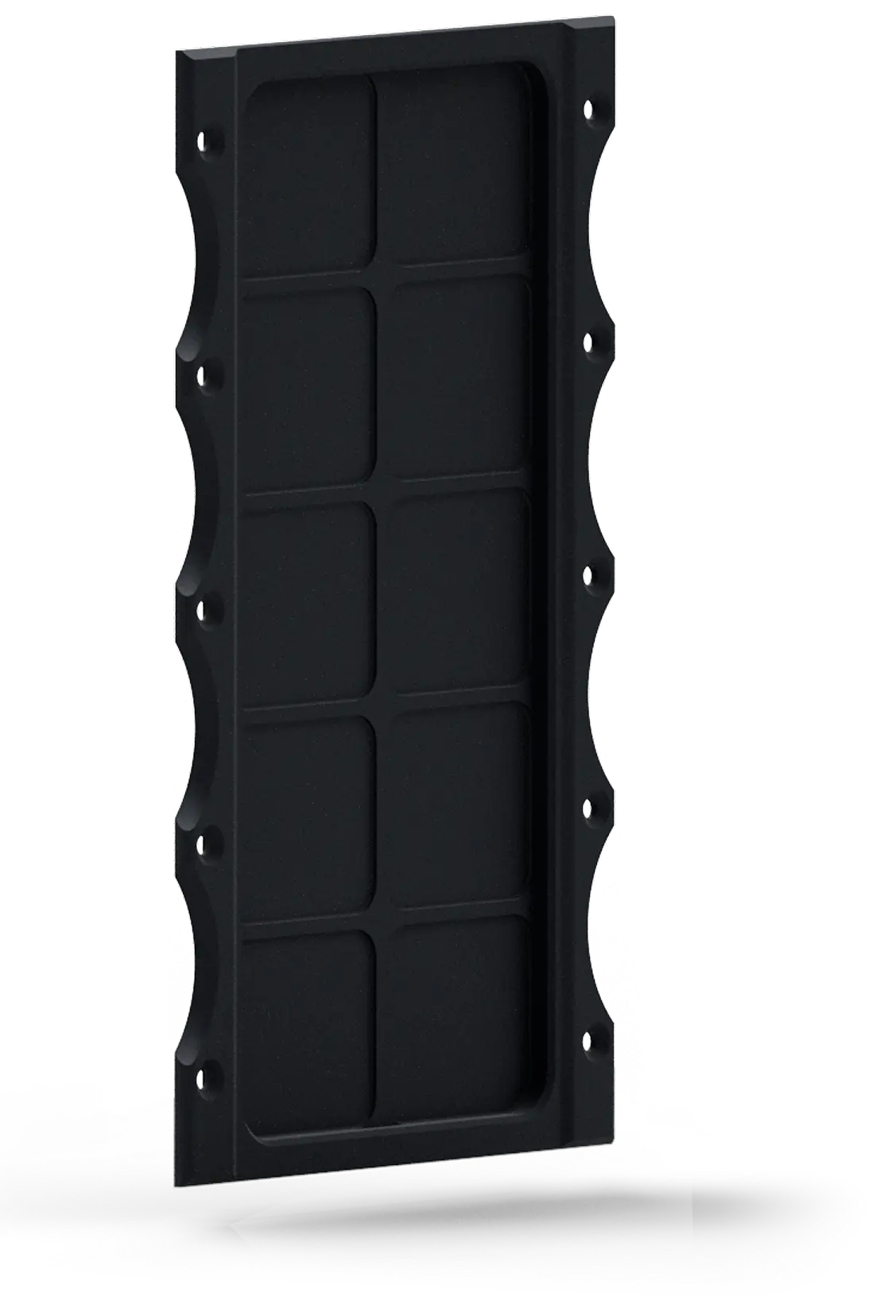
Rubberized base with flexible mounting options
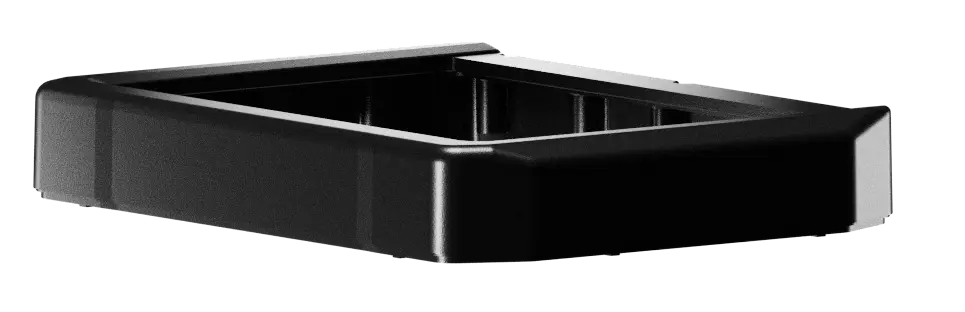
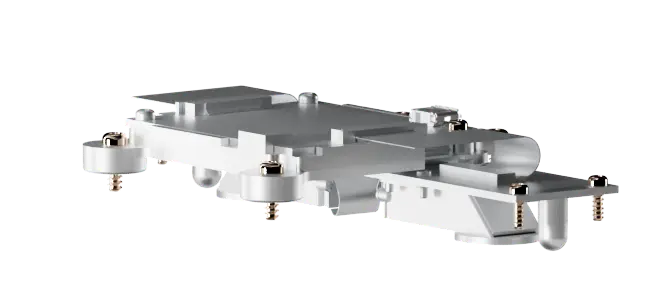
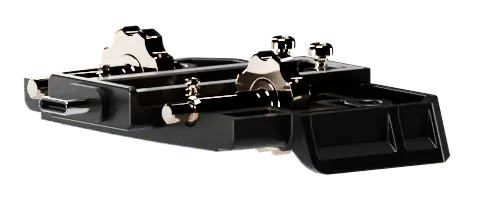
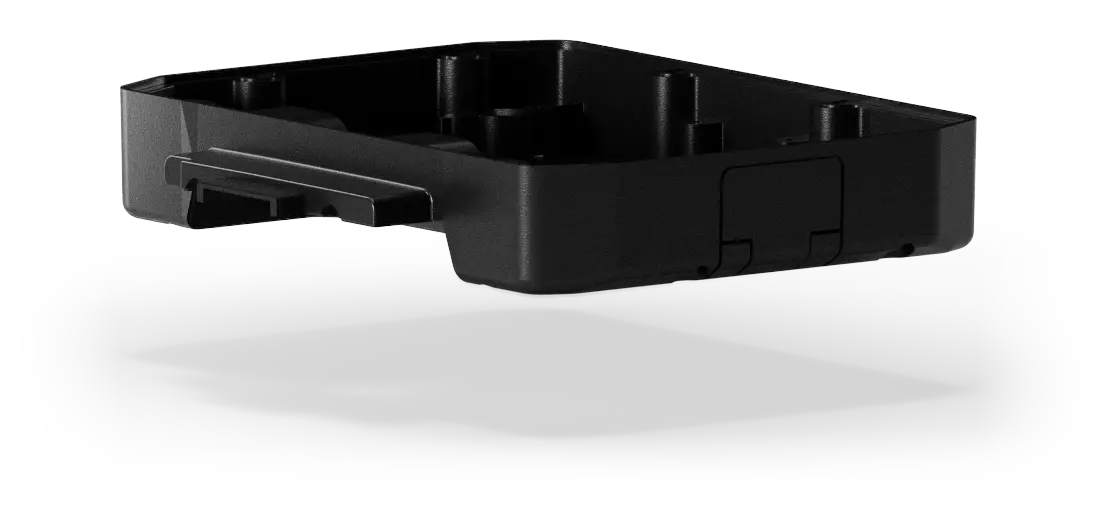
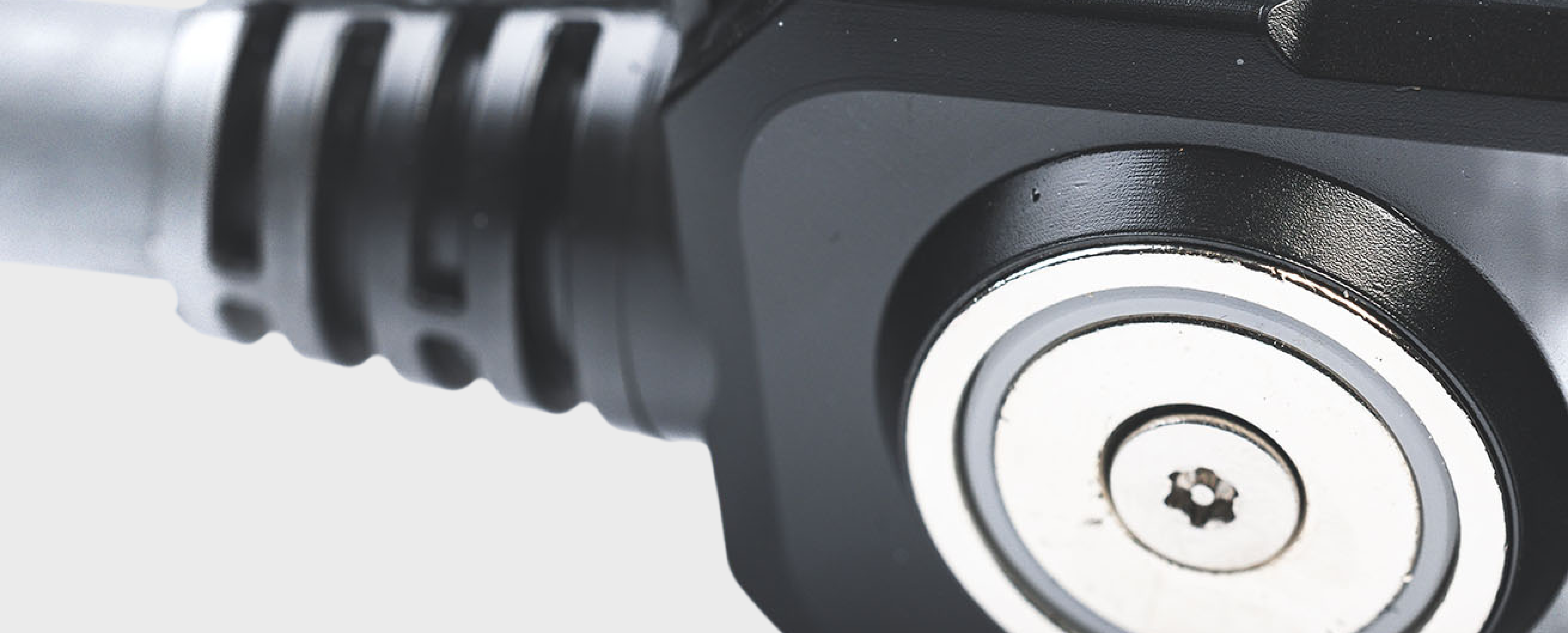
The molded base includes mounting ears and strap scallops, allowing for secure attachment with zip ties, screws or magnets in a wide range of field configurations.
design impact

Results that make a difference

Easier installation
We reduced the controller size by 50%, making installation simpler in tight or crowded spaces.
Field-friendly diagnostics
We repositioned LEDs for visibility through the housing, making it easier to check system status after sealing.
Ready for rugged
We updated the board and housing for encapsulation, improving resistance to vibration, moisture and dust.
project overview
Evolution of a rugged CAN controller

A CAN (controller area network) controller acts as the translator between heavy equipment and its attachments. It sends signals between the vehicle and connected systems so operators can control equipment directly from the cab. For farmers, contractors and field techs, this means faster work and fewer wiring headaches.

Skid Steer Genius had already proven the controller in real-world use over many years in production. As the product matured, they partnered with 28 Gorilla to modernize the design, update components and improve manufacturing practices. The work focused on updates to the mechanical design, electronics layout, and firmware to support long-term reliability and production.

Project
Skid Steer Genius
CAN Controller
Services
Industrial product design
Electrical engineering design
Mechanical engineering design
Firmware development
Industry
Construction and heavy equipment
the challenge

Make production, installation and servicing easier

The existing controller performed well but revealed limitations over time in real-world field use. It lacked clear diagnostic feedback, was larger than ideal for tight installs, and was difficult to fully protect against water and vibration. The goal was to preserve existing functionality while improving manufacturability, installation and serviceability. That meant reducing the size, improving sealing, and making the controller easier to install and service without redesigning the entire system.

our approach

Engineer for real-world use

We started by reducing the overall footprint of the controller by nearly 50%. Our team reshaped the board and housing for better thermal performance and created a potting-compatible layout that kept indicator lights visible after sealing. Flanges were added to support flexible mounting on different equipment.


On the firmware side, we added diagnostic LEDs that shine through the encapsulant to give technicians real-time system feedback without opening the case. Throughout the update process, we collaborated with 29Tech, our integrated manufacturing partner, to align design decisions with production feasibility and quality control. This reduced hand-off delays and supported efficient small batch manufacturing.
Helping real people do their jobs better is what motivates us. We shaped every detail to make this controller easier to build, install and trust in the field.
Ryan Kotrosa
Electrical Engineer
@ 28 Gorilla
capabilities

Skills & equipment used

Industrial product design
  • Human-factors design
  • Mounting flexibility
  • Rugged enclosures
  • SolidWorks
  • 3D printing
  • Prototyping tools
Electrical engineering design
  • Signal integrity
  • EMI mitigation
  • IP67-rated component selection
  • Altium
  • Oscilloscopes
  • Harnessing tools
Mechanical engineering
  • Ingress protection
  • Multi-surface mounting
  • Strain relief design
  • CAD modeling
  • Stress analysis tools
Firmware development
  • Embedded diagnostics
  • LED fault logic
  • CAN interface support
  • C/C++
  • Microcontroller dev boards
  • Bench testing
Software product development
  • Part consolidation
  • Encapsulation readiness
  • PCB orientation for LED visibility
  • Assembly consultation
  • Vendor coordination
Product concept development
  • Requirements shaping
  • Early-stage risk reduction
  • Concept-to-prototype transition
  • Napkin sketch to CAD
Defense product design
We often work side by side with 29Tech, our integrated manufacturing partner, to ensure every design is ready to build without delays or guesswork. 29Tech’s contributions to this project include:
Design for manufacturing
Quality control
Production
Prototyping
If you prefer to work with another manufacturer, we can support a smooth transition with clear documentation, production-ready drawings, and testing protocols.
28 Gorilla and 29Tech were instrumental in helping us transition this product from a working concept to a rugged, field-ready controller. They adapted quickly, made smart improvements, and delivered every time.
Senior Program Manager @ SSG

Let’s make your product field-ready.