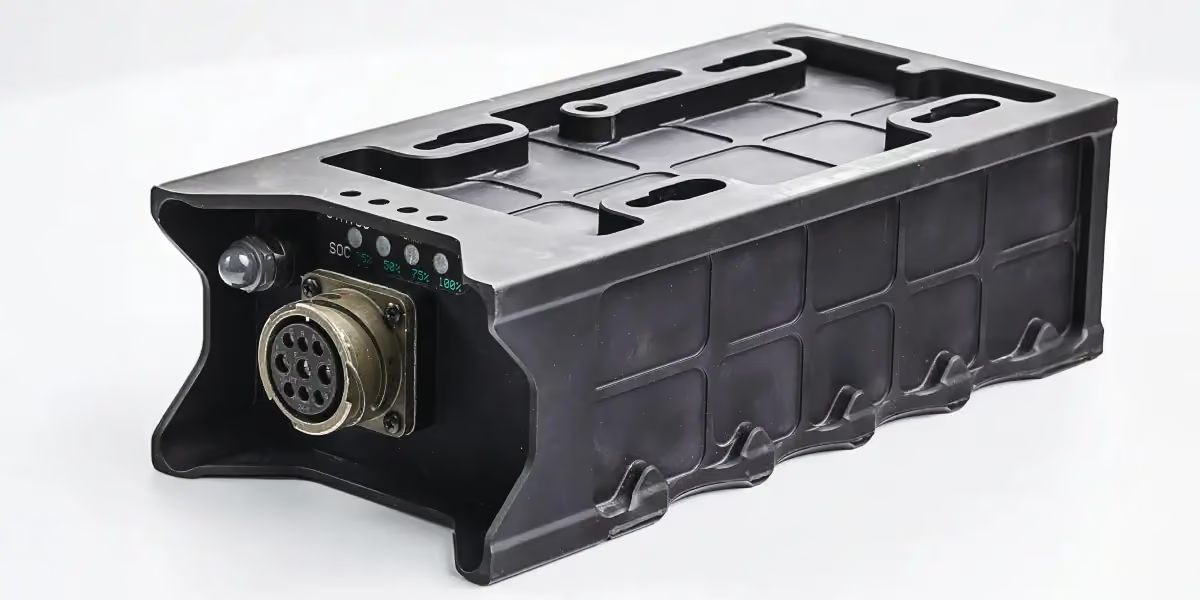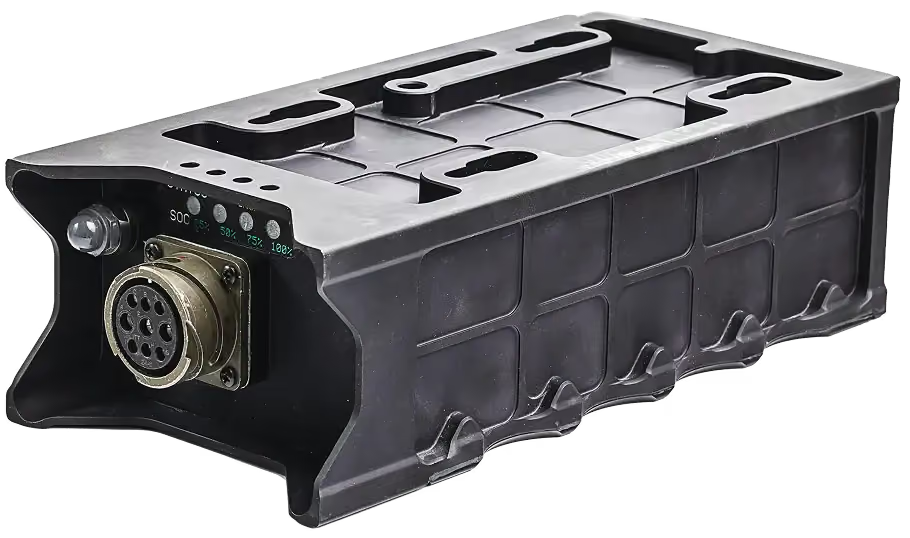
Military and Aerospace Battery
Title
This is some text inside of a div block.
Title
This is some text inside of a div block.
Title
This is some text inside of a div block.

Engineered for control.
Designed for safety.

A battery system with smarter protection and more stable power delivery.
30%
Increase in runtime
LiFePO₄
Ruggedized battery system
Real-time
Control monitoring
key features

Built for extremes
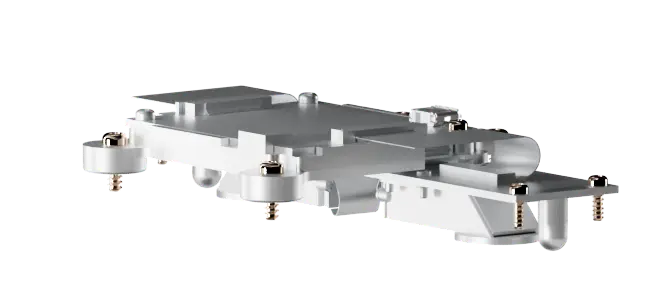
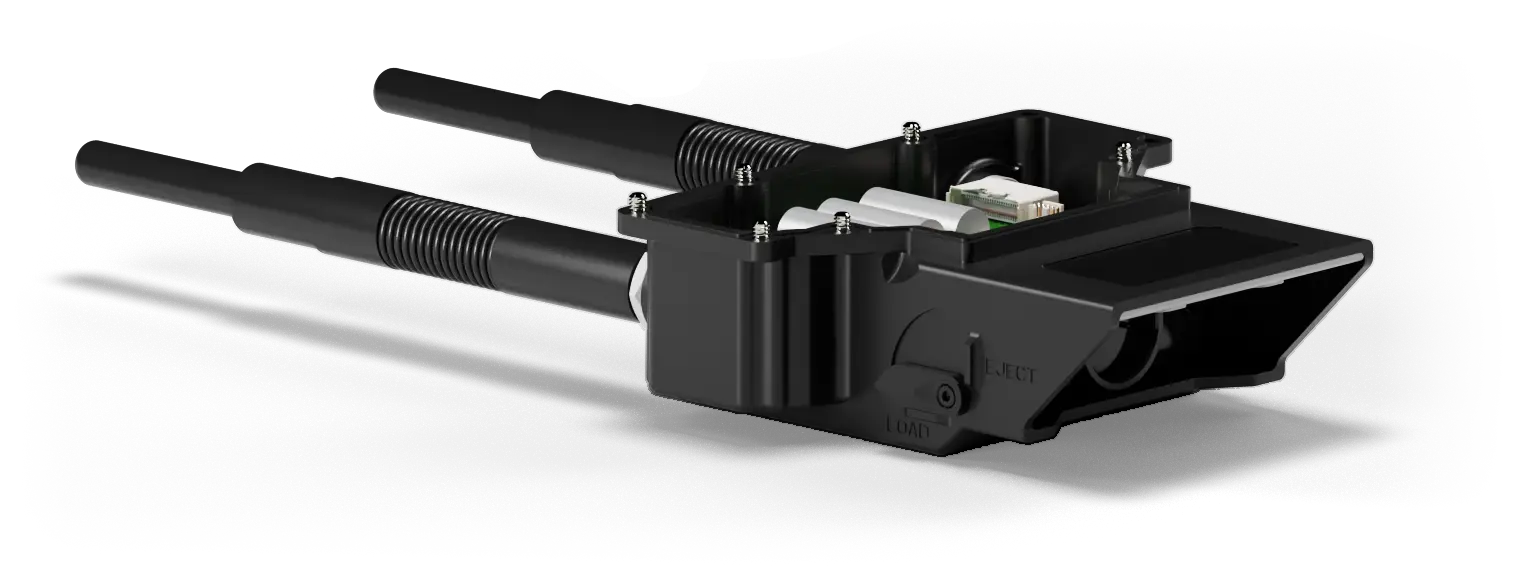
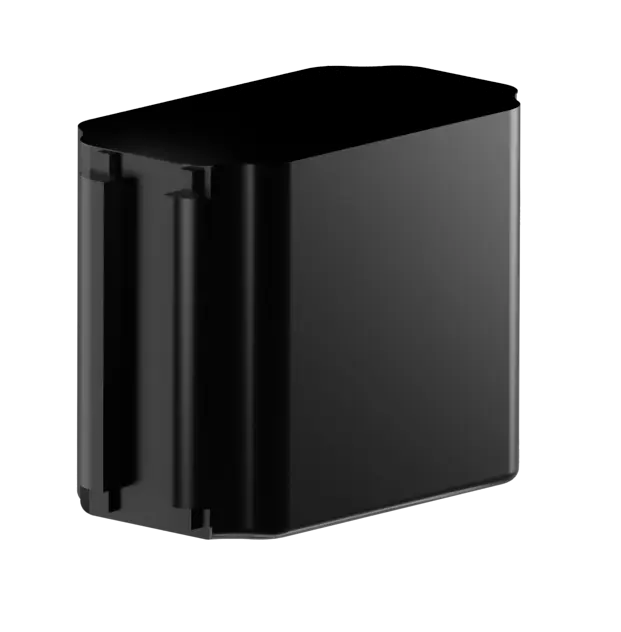
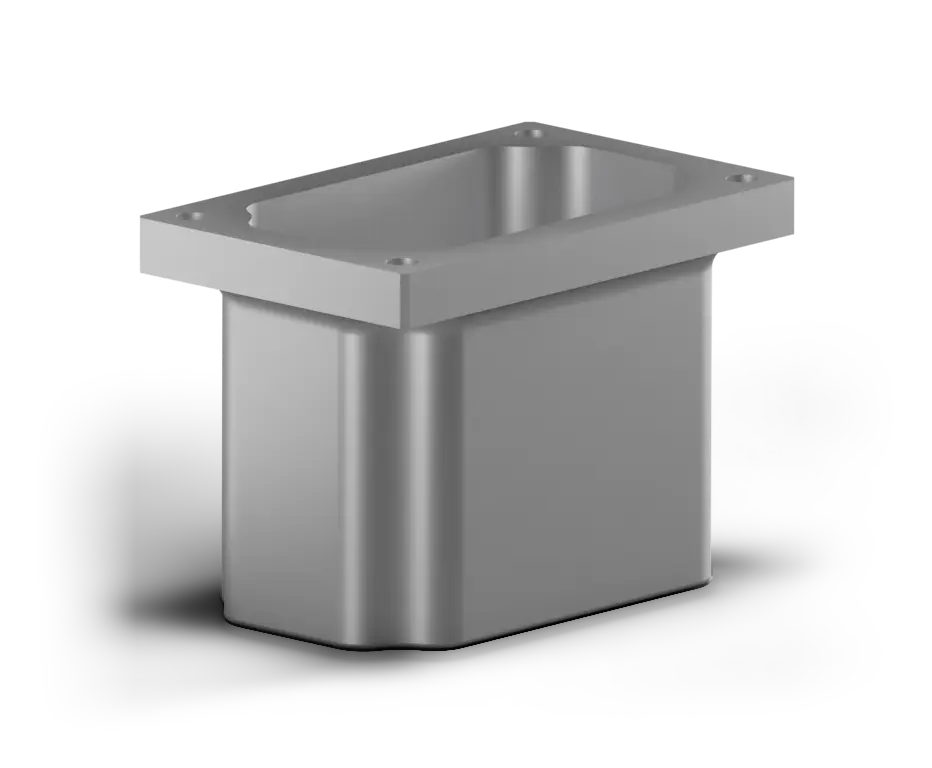
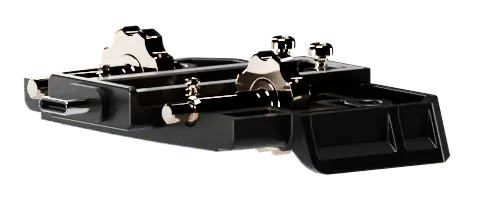
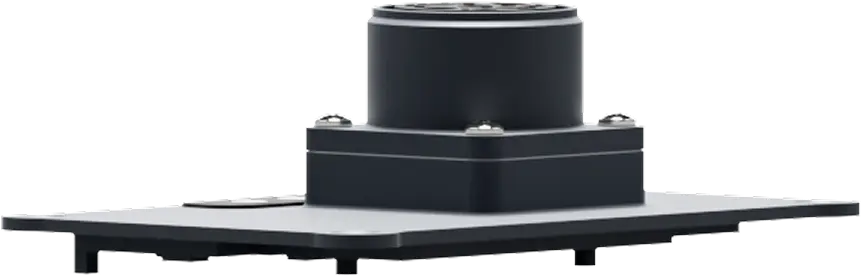
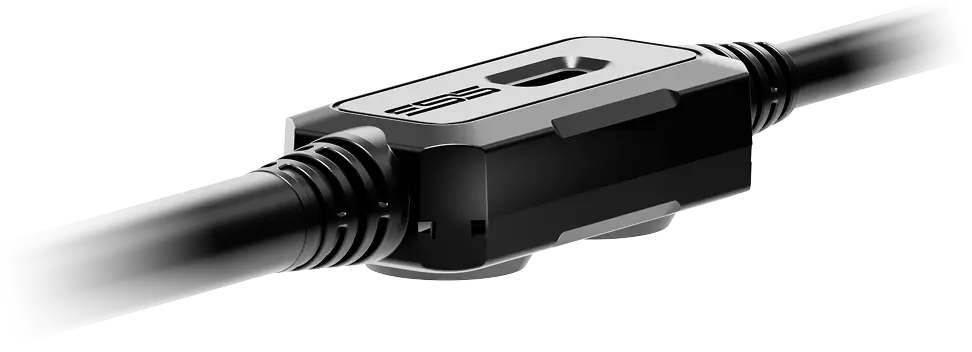
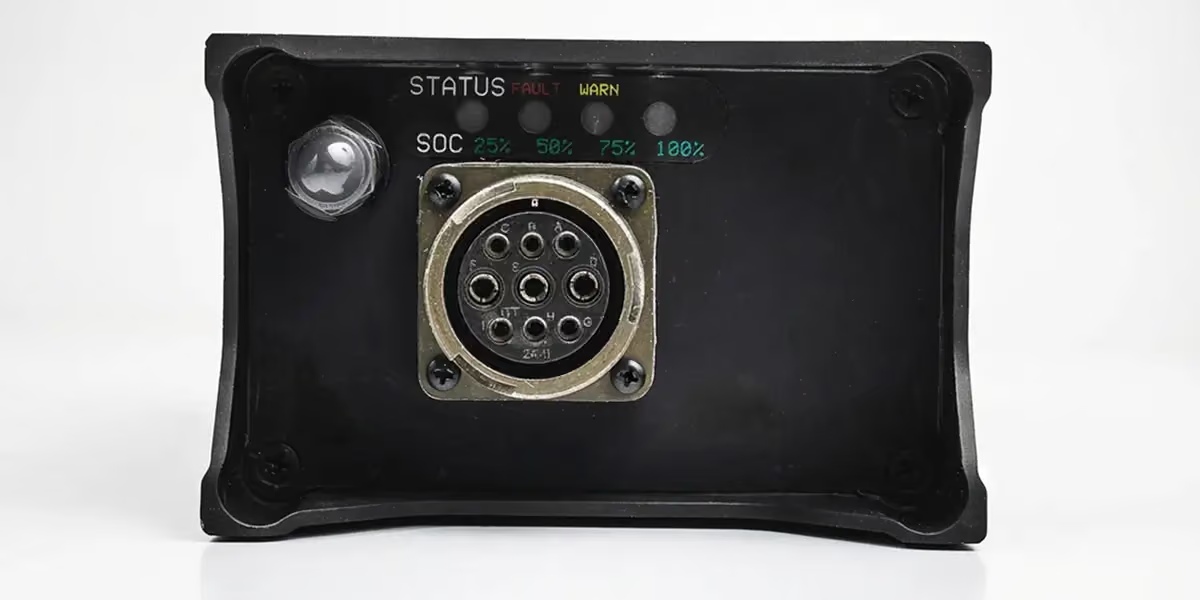
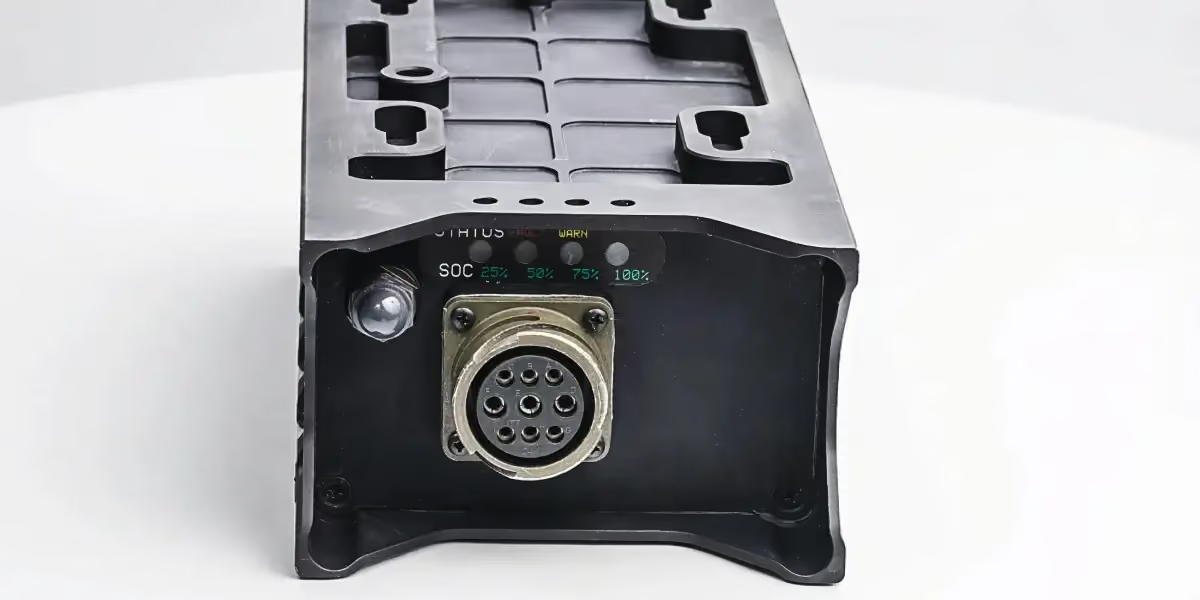
Rugged cap and cable interface
The external connector supports easy field replacement and shields internal wiring from tension and wear during operation.
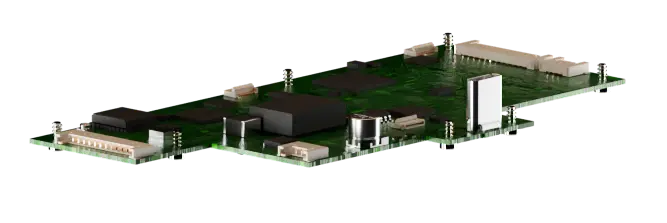
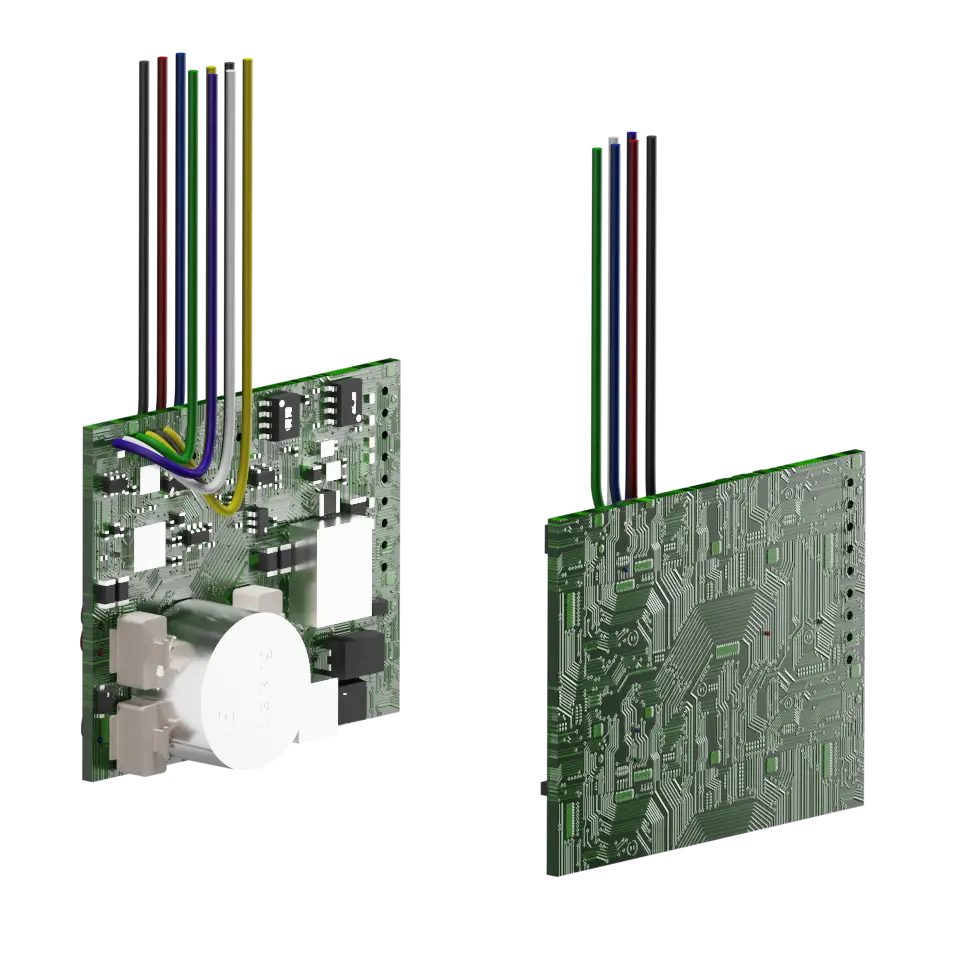
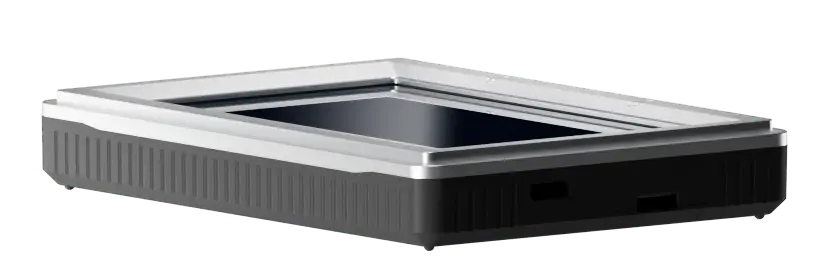
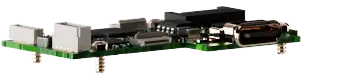
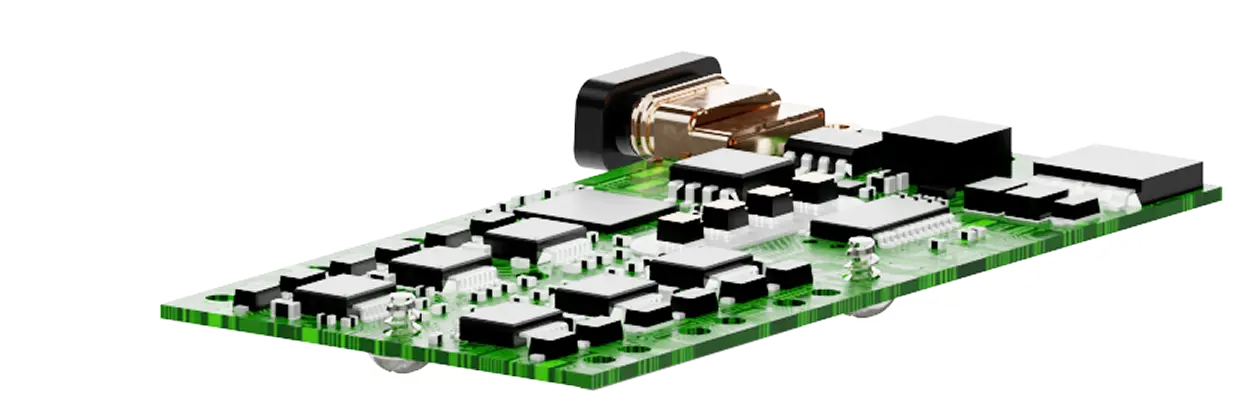
Custom BMS with EMI-aware layout
The board design minimizes electromagnetic interference and supports safe, high-current operation. Onboard firmware enables real-time monitoring and automatic fault handling.
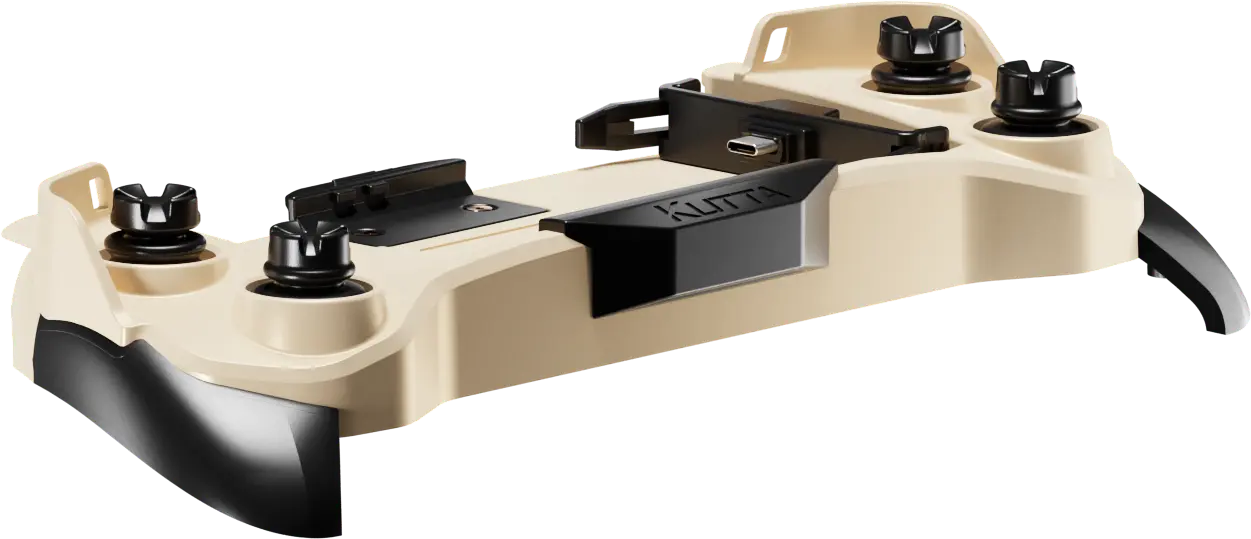
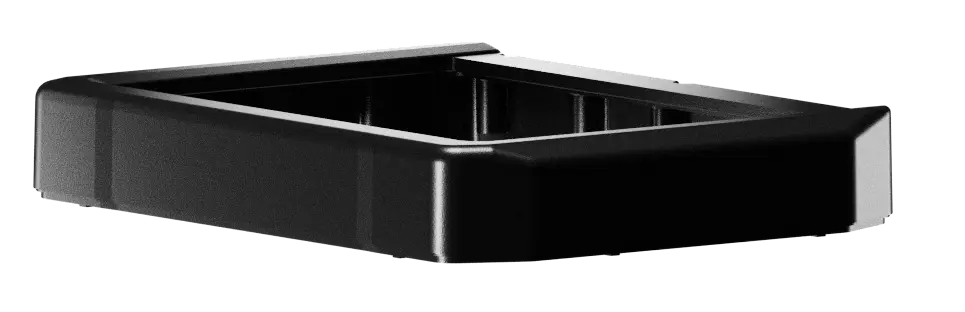
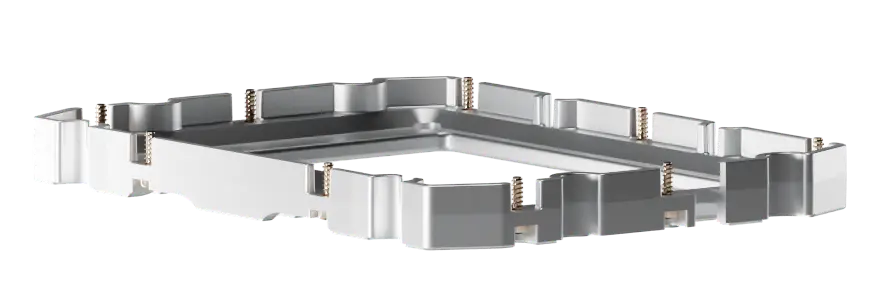
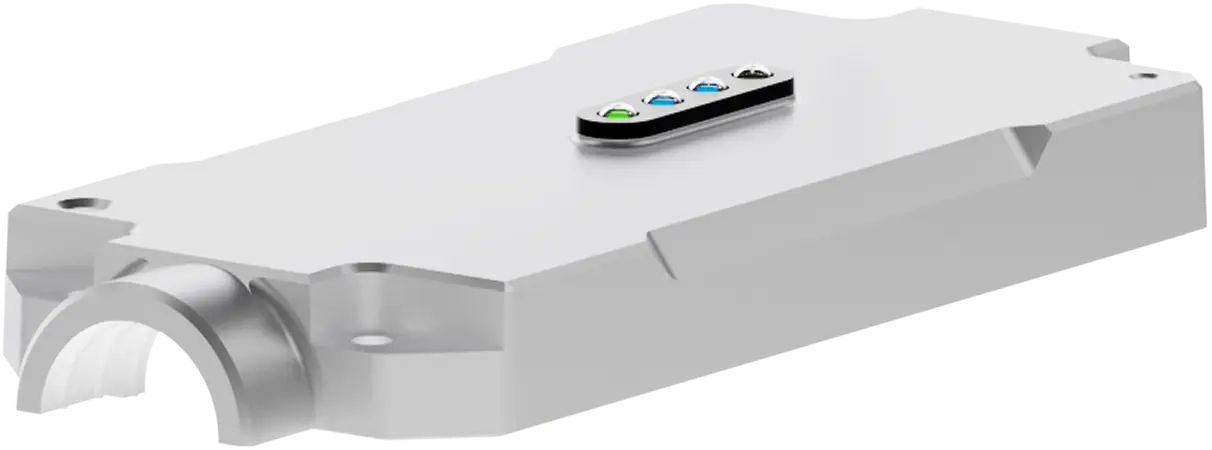
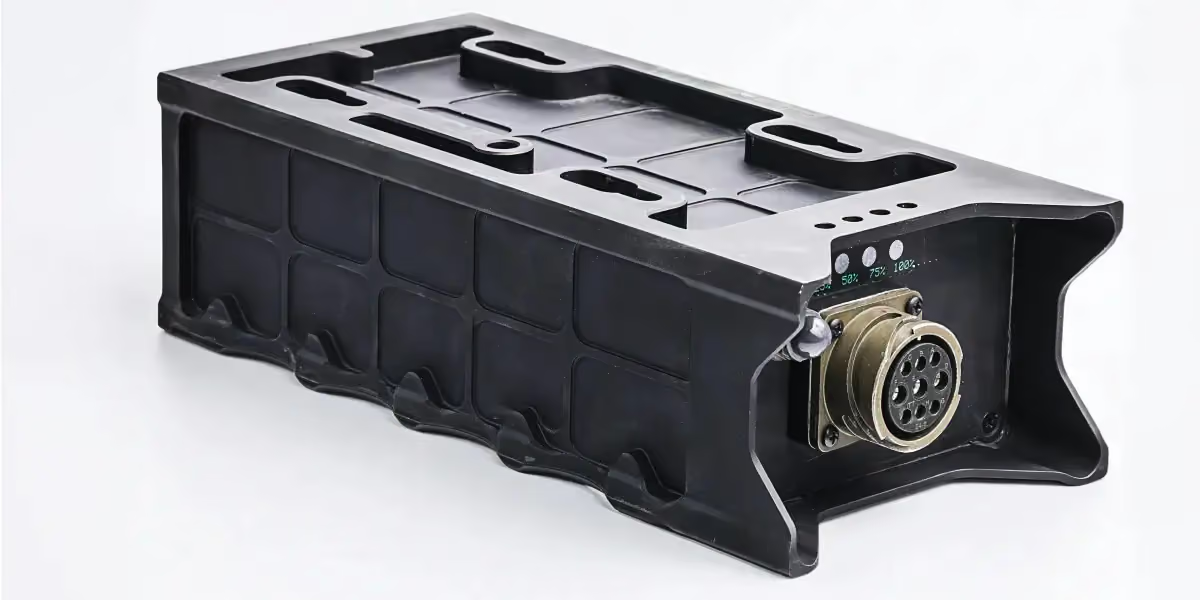
Sealed upper housing for environmental protection
The rigid enclosure blocks dust, debris and impact, helping the unit meet MIL-STD-810 requirements for field durability.
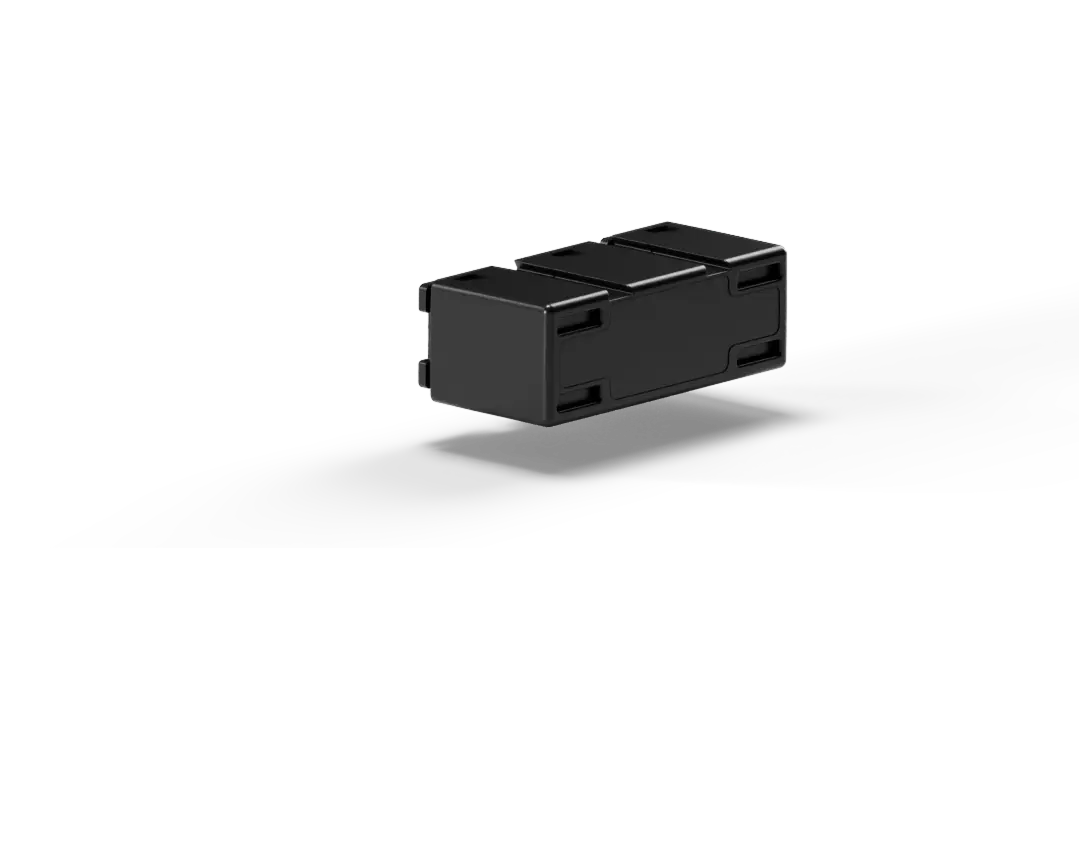
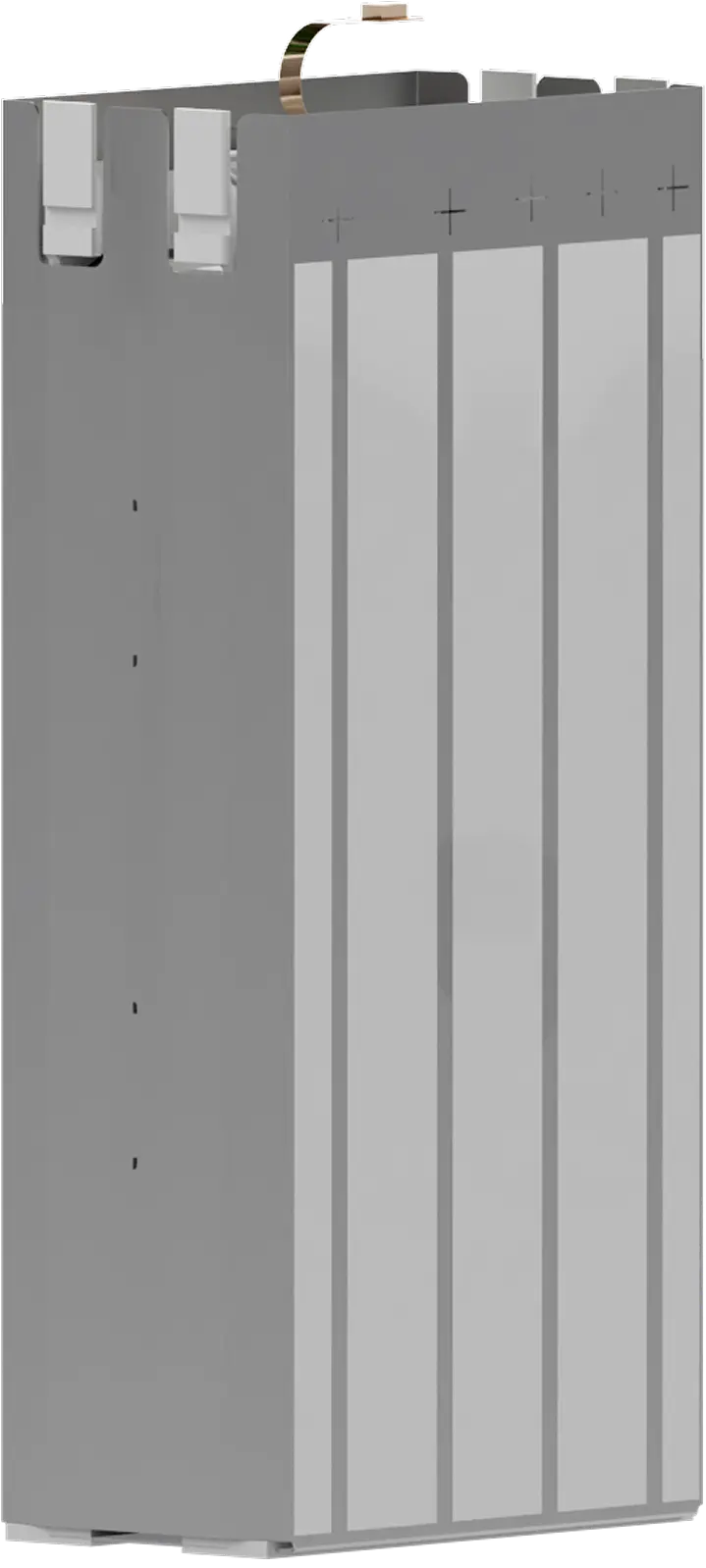
High-discharge LiFePO₄ cell pack
Custom lithium iron phosphate cell pack reduces thermal risk and delivers consistent power without the instability of traditional chemistries.
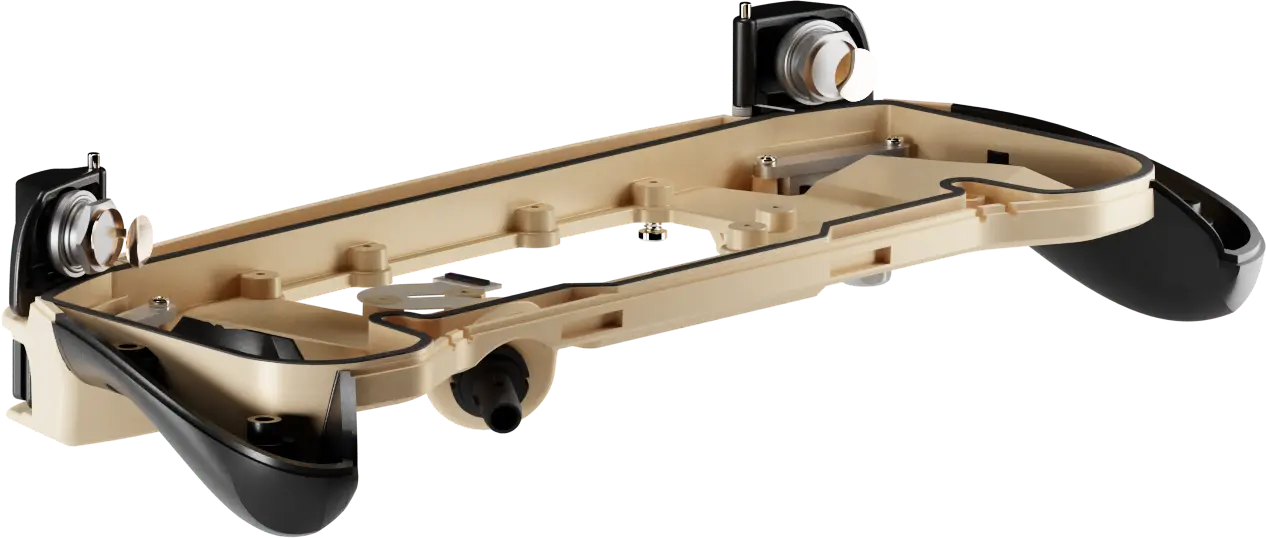
Internal airflow and thermal control layer
The design removes heat-trapping plastics and uses internal spacing and materials to support better airflow and cooling during sustained use.
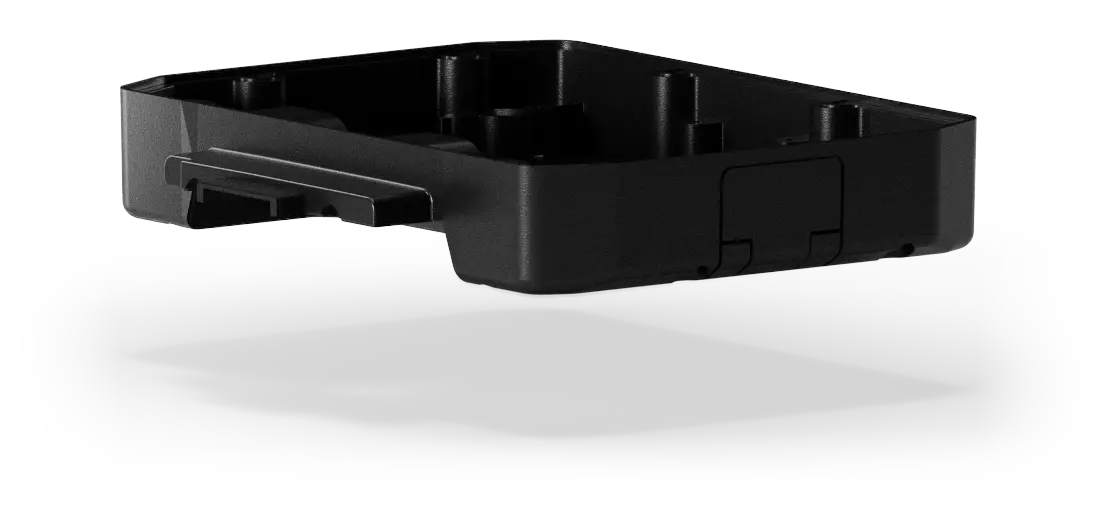
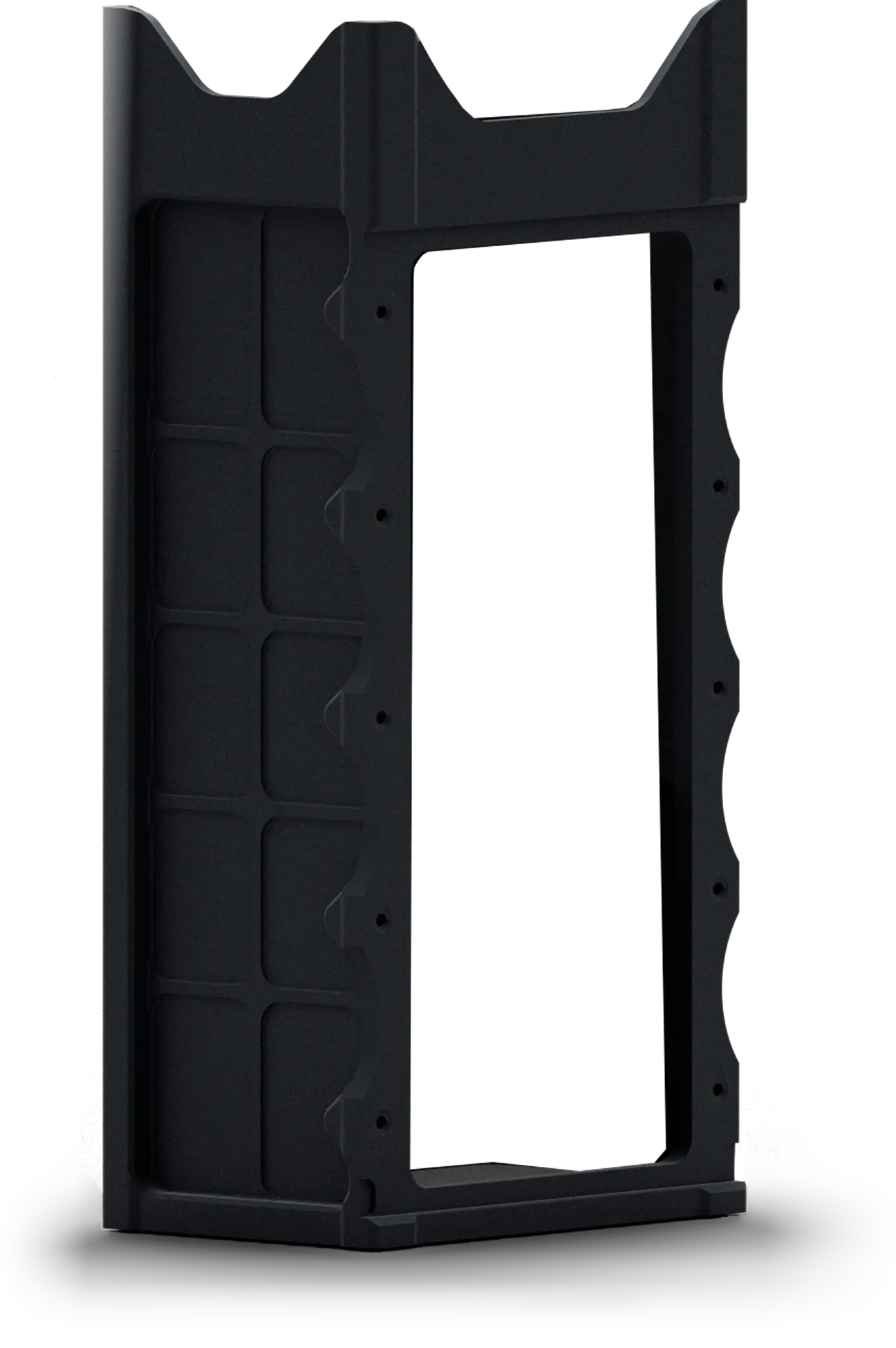
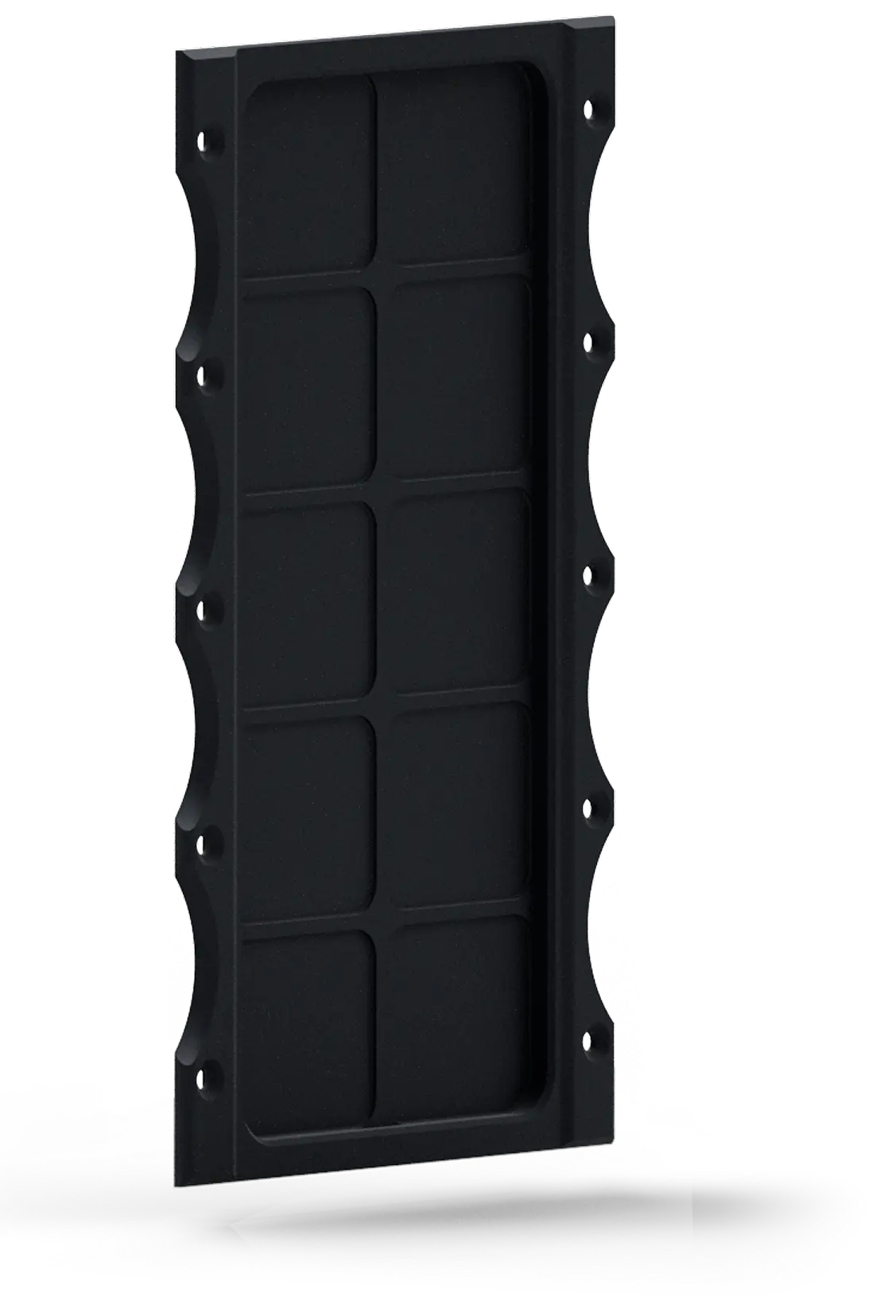
Reinforced outer shell tested for field readiness
The outer housing was validated through multiple prototype builds and refined to withstand drop, shock and vibration in real-world conditions, including water submersion up to one meter.
design impact

Results that make a difference

More power, no added bulk
We increased runtime by 30% with minimal change in size, supporting longer operation in a compact form.
Live system monitoring
We built diagnostics into the BMS firmware, enabling real-time visibility into battery health, power delivery and fault conditions during use.
Safer under stress
We reduced thermal buildup and reinforced the structure to help prevent failure —protecting both the equipment and the people using it.
project overview
A battery made for high-discharge operations

Dillon Aero’s high-performance battery system  needed updates to its electronics and ruggedness. To help prevent breakage and pass MIL-STD-810, 28 Gorilla redesigned the system’s internal layout, firmware and mechanical housing to improve performance, thermal behavior and system-level protection.

One critical update was the development of a custom battery management system (BMS). A BMS monitors and controls the voltage, current and temperature of lithium-ion cells, protecting the system against overcharging, overheating, short circuits or other failures that can occur during high-discharge operations.

Once engineering was completed, we transferred the updated design to 29Tech, our integrated manufacturing partner, for prototyping and field validation.

Project
Dillon Aero
Military and Aerospace Battery
Services
Electrical engineering design
Mechanical engineering design
Firmware development
Software product development
Defense product design
Product concept development
Industry
Aerospace and defense
the challenge

Improve safety for unsafe conditions

Dillon Aero needed a more dependable battery for a high-demand application: powering a rotary weapon system.


The system’s internal structure trapped heat, some power connections couldn’t stay secure under vibration, and the electronics offered no safeguards if something went wrong during operation.


Our job was to ensure the battery could regulate power delivery, detect faults and stay operational through real-world strain, all within the same form factor and while maintaining compliance with MIL-STD-810 and 461.

our approach

Coordinated mechanical, electrical and firmware engineering

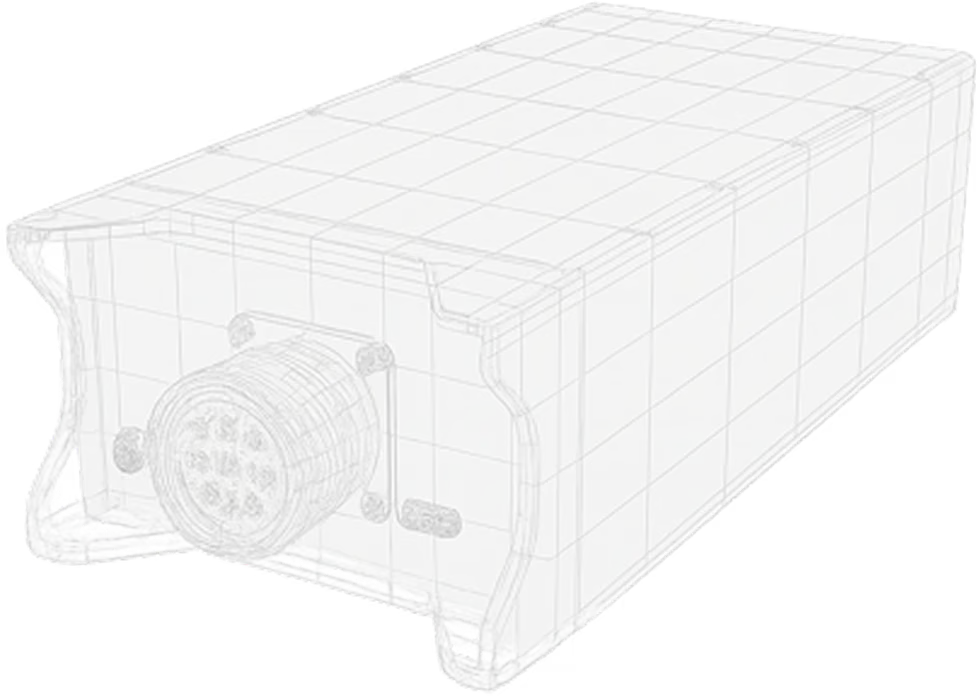
Our electrical engineering team restructured the power delivery system, improving the layout to reduce resistance and heat buildup during high-discharge events. The mechanical team redesigned the enclosure, removing internal plastics that were creating heat traps and strengthening the housing to better withstand vibration and drop impact.


Meanwhile, our firmware developers built a custom BMS to monitor voltage, current and temperature, and to respond automatically to unsafe conditions. This added a critical layer of protection, allowing the battery to shut down safely or regulate output in extreme use cases.


Every decision was aimed at making the battery more stable, predictable and capable of protecting itself during high-demand operation.


Once validated, we handed the design off to 29Tech for prototype manufacturing and pre-compliance testing aligned with military, environmental and electromagnetic interference (EMI) standards.
The firmware protects the battery. The structure protects the team. We designed every layer of this system to deliver control and safety under pressure.
Andrew Berthold
Hardware Engineer
@ 28 Gorilla
capabilities

Skills & equipment used

Industrial product design
Electrical engineering design
  • High-discharge layout
  • EMI mitigation, safe power routing
  • Compact power systems
  • Altium, multimeters, thermal tools
Mechanical engineering
  • Thermal management, impact and vibration resistance
  • CAD tools, vibration test rigs
Firmware development
  • Embedded diagnostics, fault-handling logic, LiFePO₄ control
  • BMS integration
  • C, bench tools, interface testing
Software product development
Product concept development
Defense product design
  • MIL-STD-810 and 461 compliance
  • UN 38.3 shipping standard
  • Field reliability and environmental stress planning
  • Prototype test rigs, validation workflows

We often work side by side with 29Tech, our integrated manufacturing partner, to ensure every design is ready to build without delays or guesswork. 29Tech’s contributions to this project include:
Prototyping
Production
If you prefer to work with another manufacturer, we can support a smooth transition with clear documentation, production-ready drawings, and testing protocols.

Let’s build something that performs under pressure.