
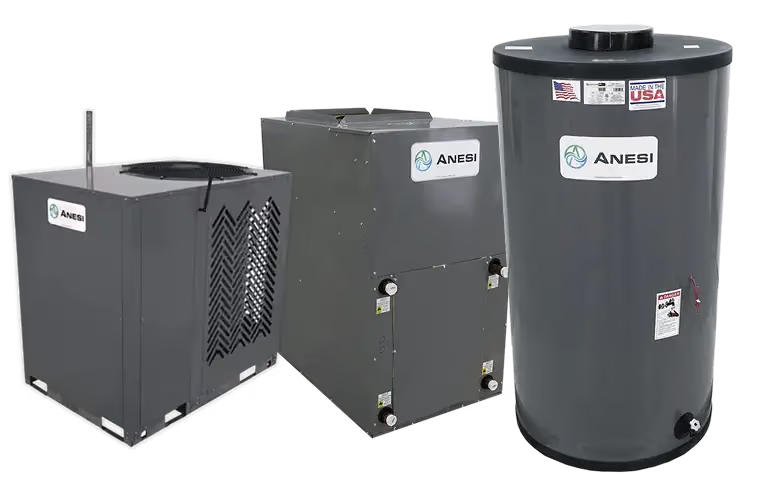

From buildings to backyards: Ammonia, scaled.
Designed to meet UL and CSA guidelines




Results that make a difference




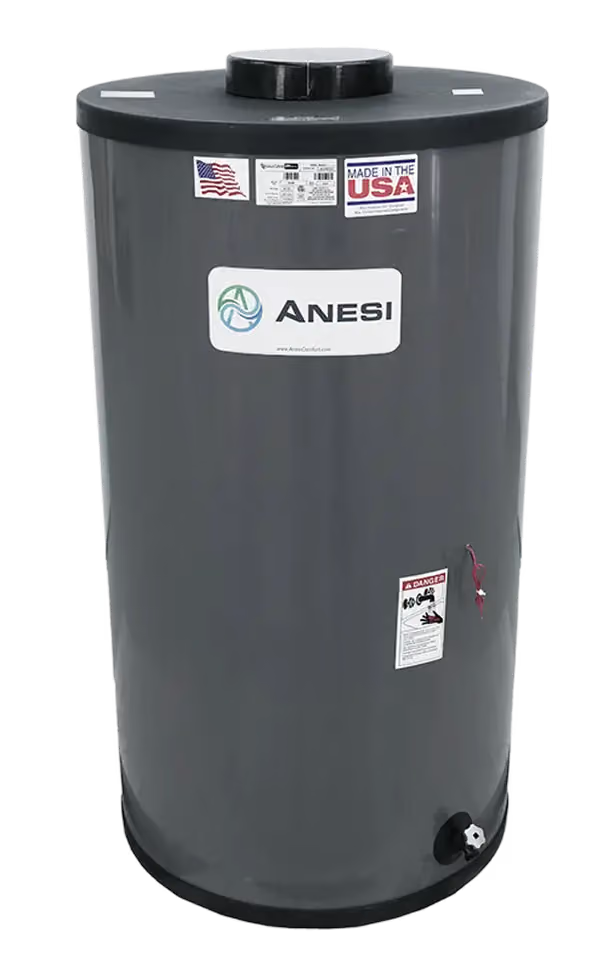
Ammonia is a high-efficiency refrigerant, but it’s difficult to manage outside of industrial environments. Anesi set out to harness its benefits for cold-climate heat pumps. First in commercial buildings, and eventually in homes.
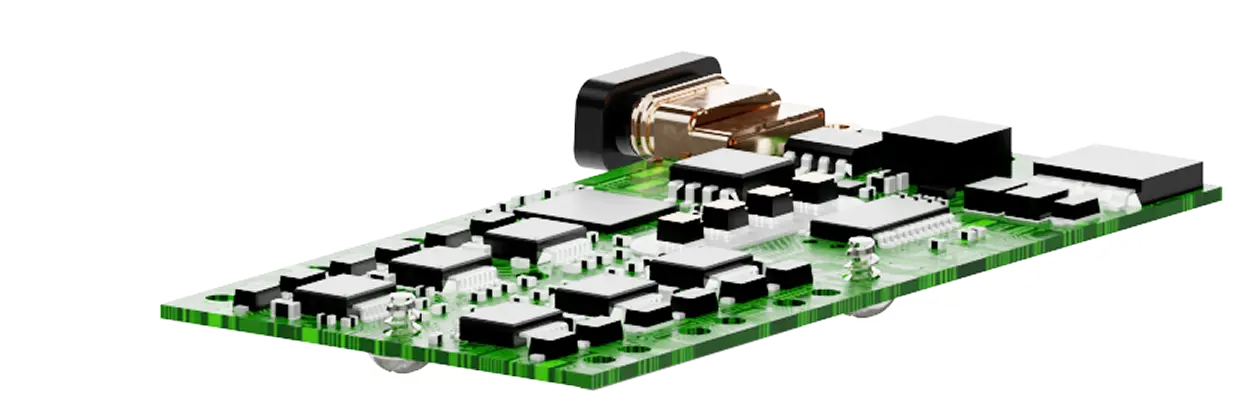
28 Gorilla joined early, in 2017, to help build efficiency into the system’s foundation. We engineered the electrical, mechanical, firmware and software layers to regulate the refrigerant's behavior and meet certification requirements.
Once the commercial design was proven, we helped adapt the architecture for residential use, simplifying packaging and reducing cost while maintaining reliability.
Improving performance with precision control
Ammonia is efficient and inexpensive, yet its behavior can vary with temperature and pressure changes. These shifts can affect sensors or lead to inconsistent performance during cold starts.
While ammonia is well known in large industrial systems, Anesi aimed to bring its benefits into commercial buildings and, eventually, residential settings. To do that, they needed a control system that could deliver consistent operation, meet UL and CSA certification standards, and work smoothly without the scale of industrial equipment.
Turn precision engineering into scalable performance
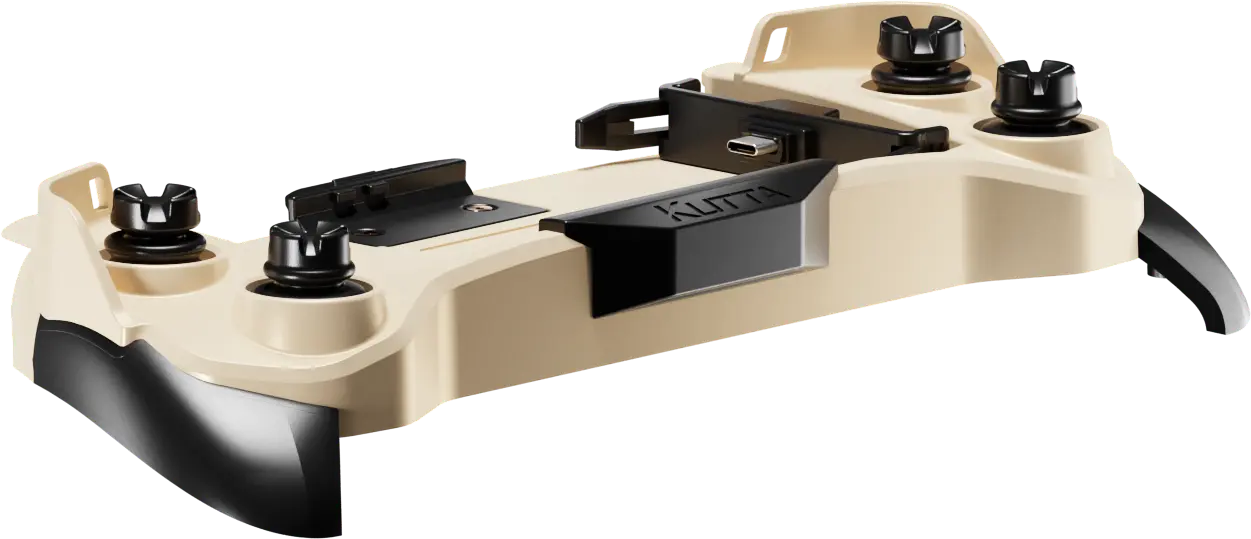
28 Gorilla partnered with Anesi to create a control system that could maintain stable, predictable operation across a wide range of conditions. We modeled system behavior, refined cold-start performance, and designed the control architecture to meet UL and CSA requirements.
Once the platform proved itself in commercial units, we helped adapt the system for residential use by simplifying operations, improving efficiency, and maintaining reliability at a smaller scale.
By engineering consistency at the core of the design, the result was a flexible heat pump that could scale into new markets and support long-term growth.
Up close with
Results that make a difference
Skills & equipment used


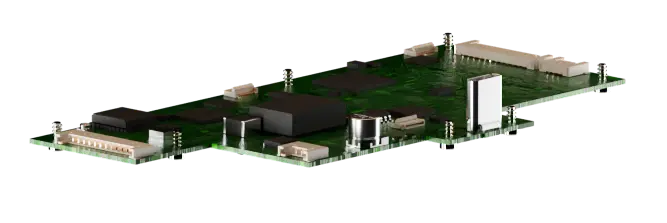
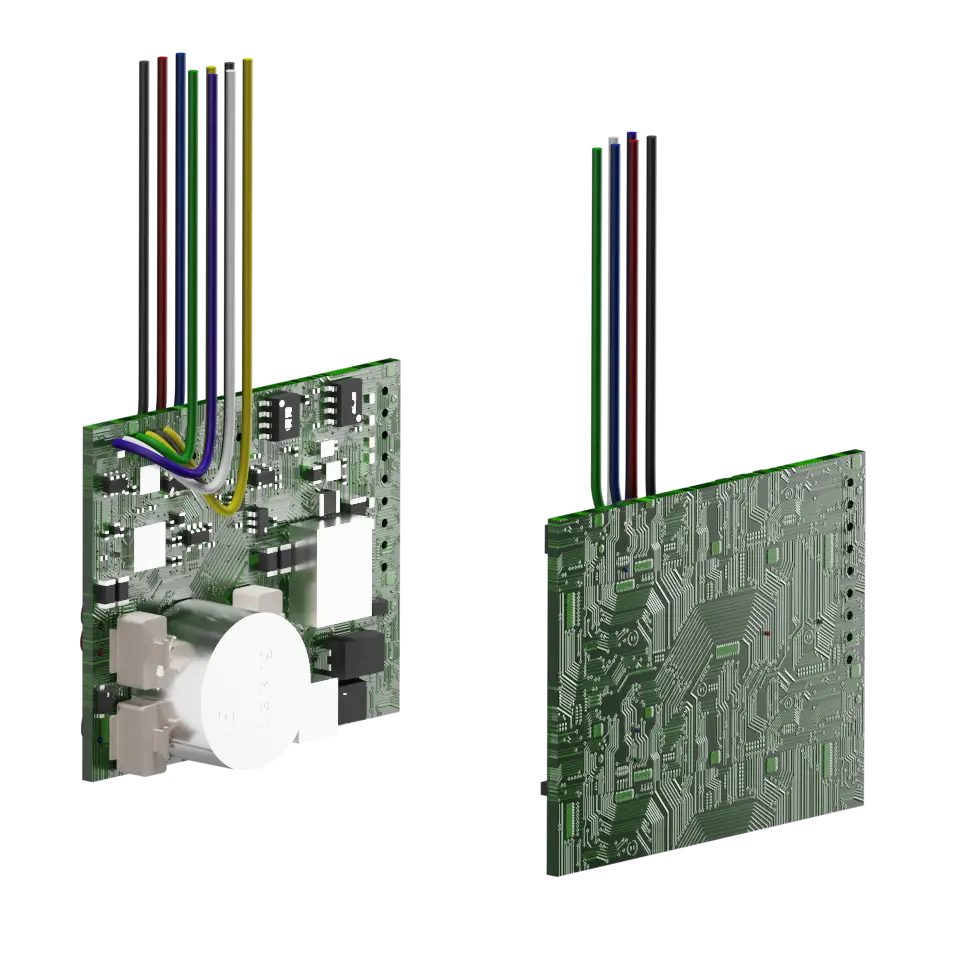
- Circuit design and layout to meet UL and CSA standards for spacing, insulation and fault detection
- Altium, multimeters, insulation test tools


- Control algorithms to read system sensors and support stable operation
- Burner control logic to support smooth startup and consistent heating
- Expansion valve control for balanced temperature and pressure behavior
- C programming, bench testing and field tuning

- UI and diagnostics support for installers and technicians
- Embedded dashboards, system communication tools and control layer integration