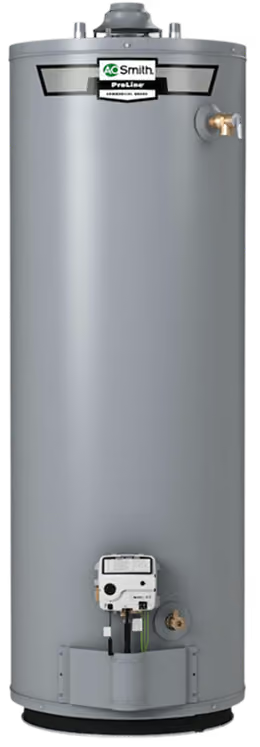

A self-poweredcontroller upgrade.
Designed for connectivity




Results that make a difference




A.O. Smith wanted to add connectivity to its gas water heaters without requiring an electrician or changing the standard install process.
Our solution modernized the product without changing the platform, installation steps or safety profile. It also made the heater five times smarter, enabling:
- Remote diagnostics
- Connectivity
- Corrosion control
- Low-power operation
- Long-term reliability
The result was a patented upgrade that brings smart control to a trusted platform, with no plug required.
No outlet. No compromise.
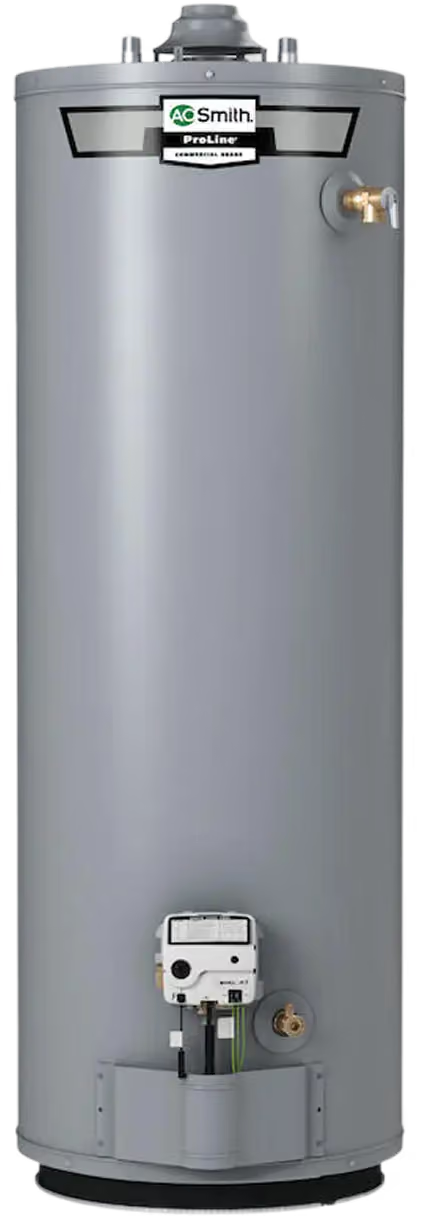
Gas water heaters rely on a standing pilot light for ignition but do not have an electrical connection. That made it difficult to add features like performance tracking, diagnostics or mobile controls. Installing external power would require a licensed electrician and increase installation complexity.
A.O. Smith needed a connected solution that could fit within the existing footprint. There could be no power cord, no added installation requirements, and no compromise on safety.
Design for the environment
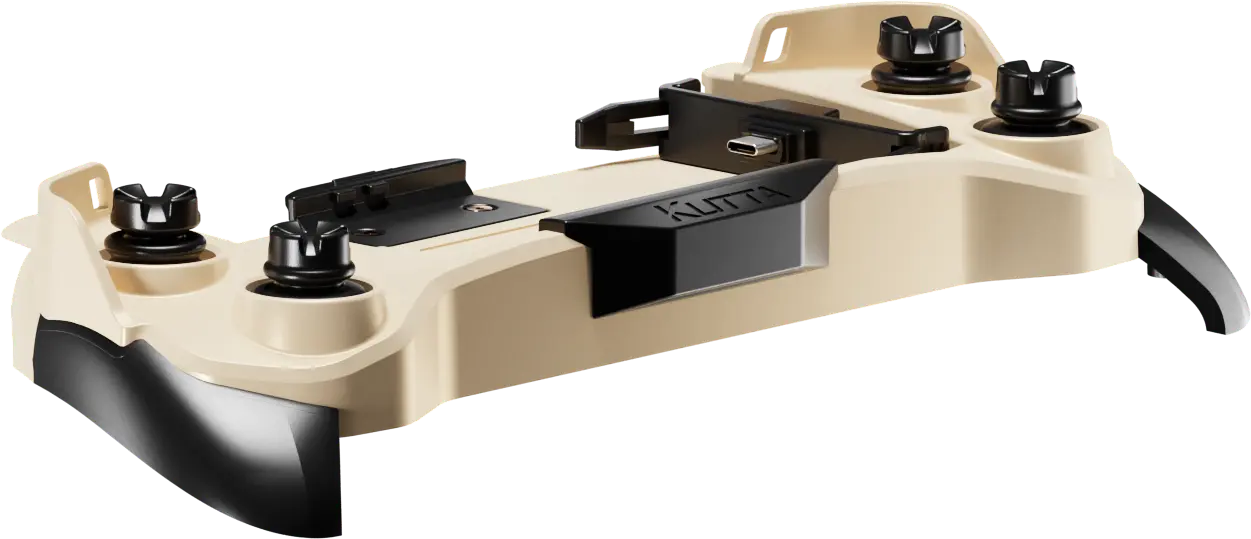
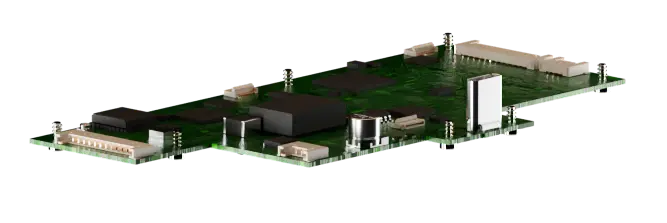
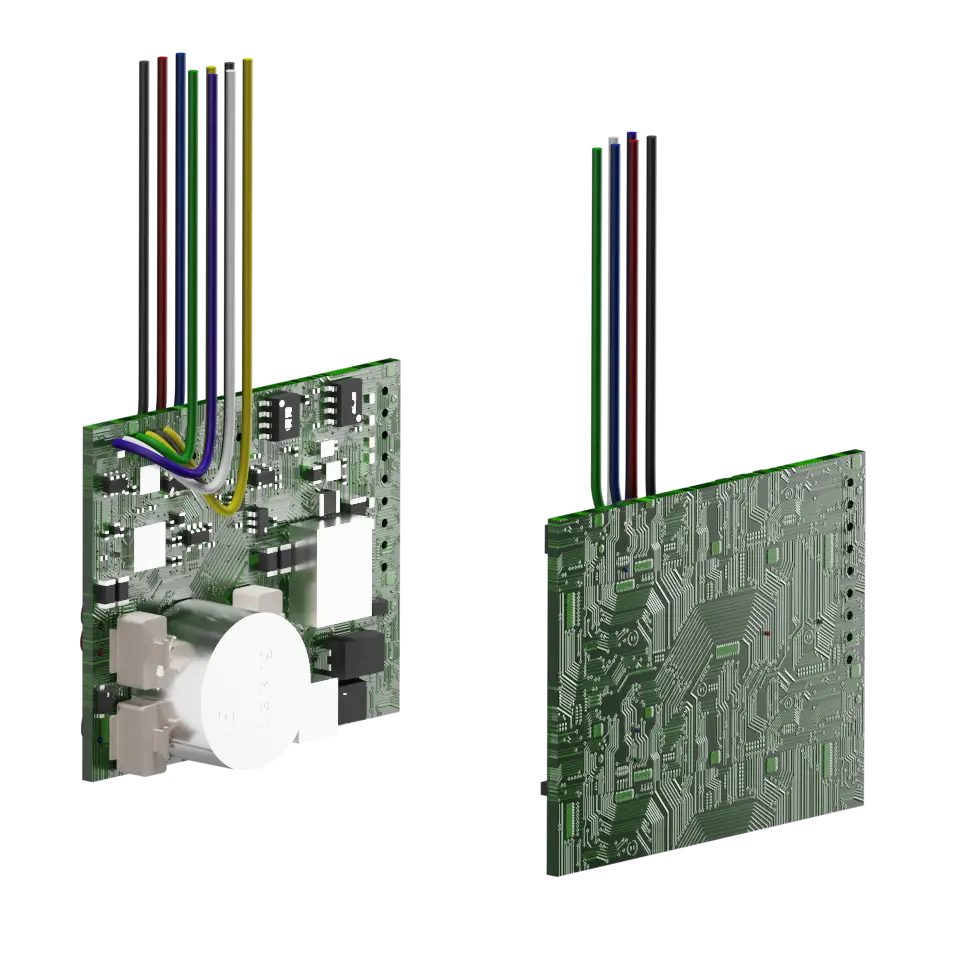
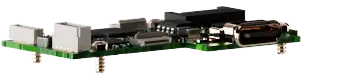
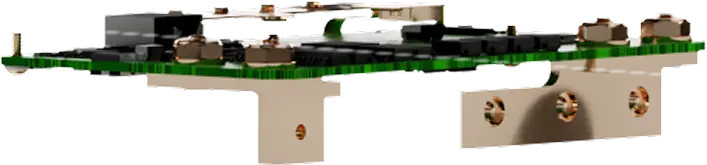
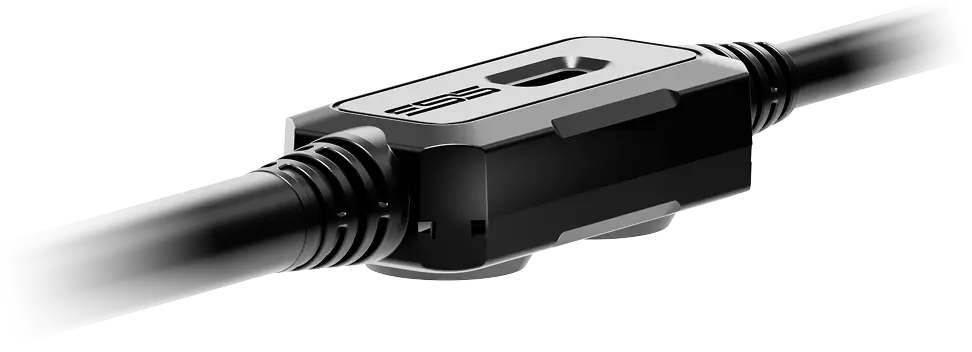
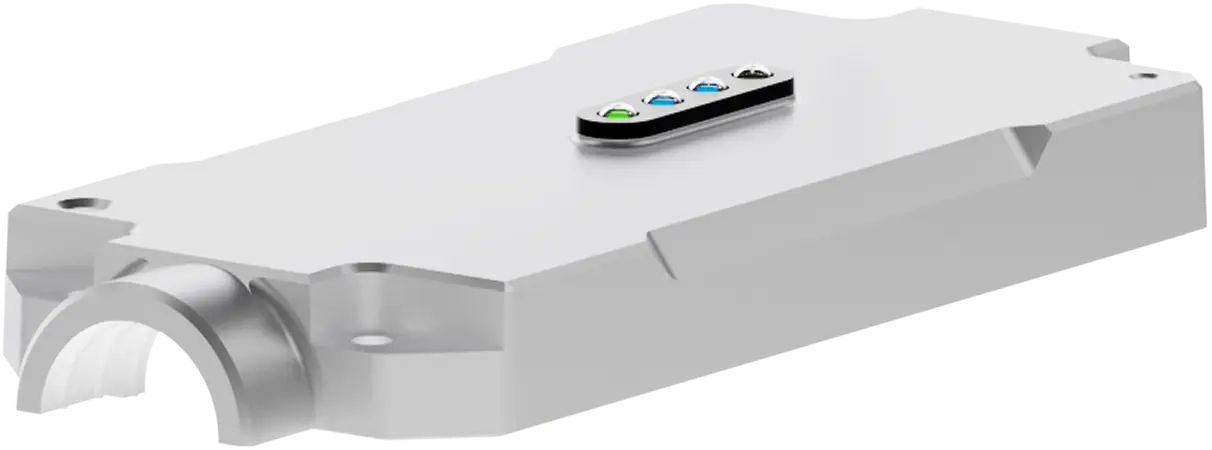
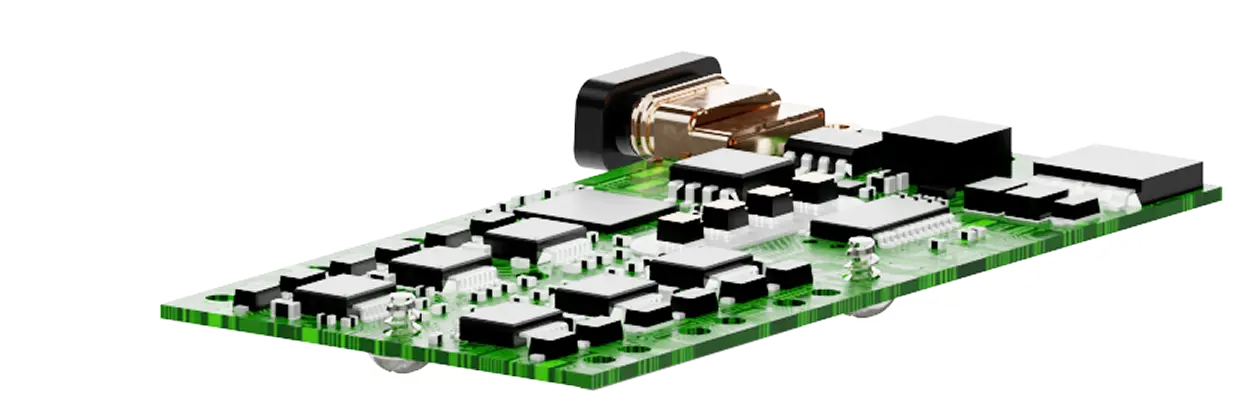
We viewed the absence of power not as a limitation, but as a design opportunity. We built a custom control board that operates entirely on energy harvested from the heater’s thermopile. This provided a steady power source without requiring external wiring.
From there, we developed embedded firmware to manage energy use, support wireless connectivity, and provide live diagnostic feedback. We also added anode control logic to reduce corrosion and extend tank life. Every part of the design was built to meet UL safety requirements for high-heat, high-moisture environments.
By designing for the environment the product lives in, we turned a constraint into a competitive advantage.
Up close with
Results that make a difference
Skills & equipment used


- Energy harvesting and low-power circuit design
- Custom power management architecture
- Compact board layout and power routing
- Oscilloscopes, multimeters, simulation tools


- Embedded systems and smart diagnostics
- Connectivity for low-power devices
- Anode control logic and power regulation
- C/C++, hardware abstraction layers, debug tools