

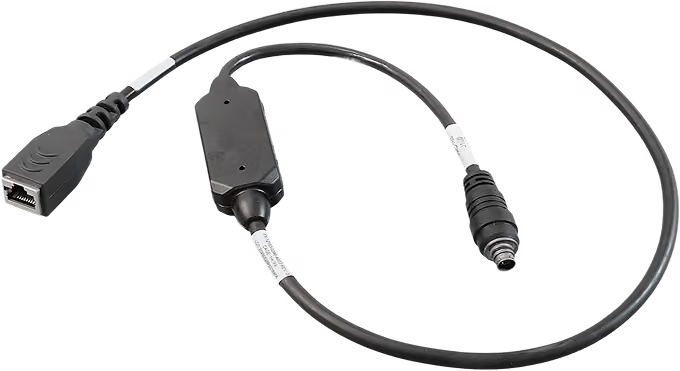
Cable of duty:A wearable Ethernet connection.
Engineered for reliable wear






Results that make a difference




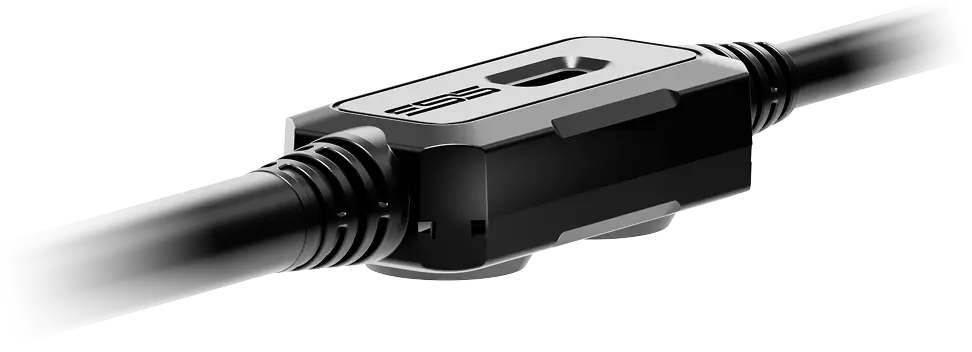
This project focused on a small but critical part of soldier-worn communication systems: the Ethernet connection between devices carried on the body. In the field, these connections were often handled with consumer cables that were never designed for constant movement, electronic noise or high-risk environments.
28 Gorilla worked to define what a wearable Ethernet solution needed to be. That meant understanding how soldiers carried equipment, how cables were routed through kits, and how failures showed up in real use. The goal was to create a connection that stayed reliable under motion, interference and operational stress.
We partnered closely with our integrated manufacturing partner, 29Tech, to create a purpose-built solution that fits naturally without becoming a weak point teams had to plan around.
Wearable cables pose a risk
In soldier-worn systems, Ethernet cables are not passive accessories. They move with the body, route through tight kits, and sit next to radios, batteries and other electronics. Consumer cables were never designed for that context.
In real use, cables were snagged, bent and stressed as soldiers moved. Connectors loosened. Strain transferred directly into ports. At the same time, those cables had to operate in electronically noisy environments, where interference from nearby devices could disrupt communication across the system.
The challenge was not just making a tougher cable. It was defining how a wearable Ethernet connection should behave as part of a larger system, stay reliable in motion, minimize strain on connected devices, and maintain signal integrity. All without adding bulk or complexity.
Design for the body and the mission
28 Gorilla approached this as a wearable systems problem, not a cable problem. The team focused on how the connection would move with the body, route through a kit, and interact with other electronics during real use.
We defined requirements around size, flexibility, and connector behavior to reduce snagging and strain on device ports. Signal integrity was treated as a system concern, with attention to how the cable would perform alongside radios, batteries, and other sources of electronic noise.
Rather than optimizing for a single component, we designed the cable as part of the full wearable system, then worked closely with 29Tech to ensure that intent carried through to the final build. They sourced premium components that met strict military requirements and defined the manufacturing processes to build it reliably.

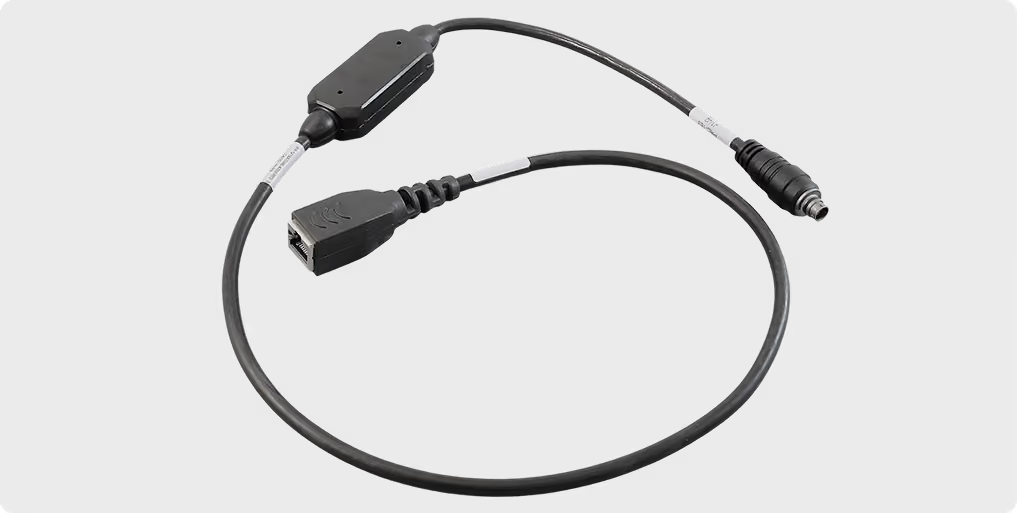
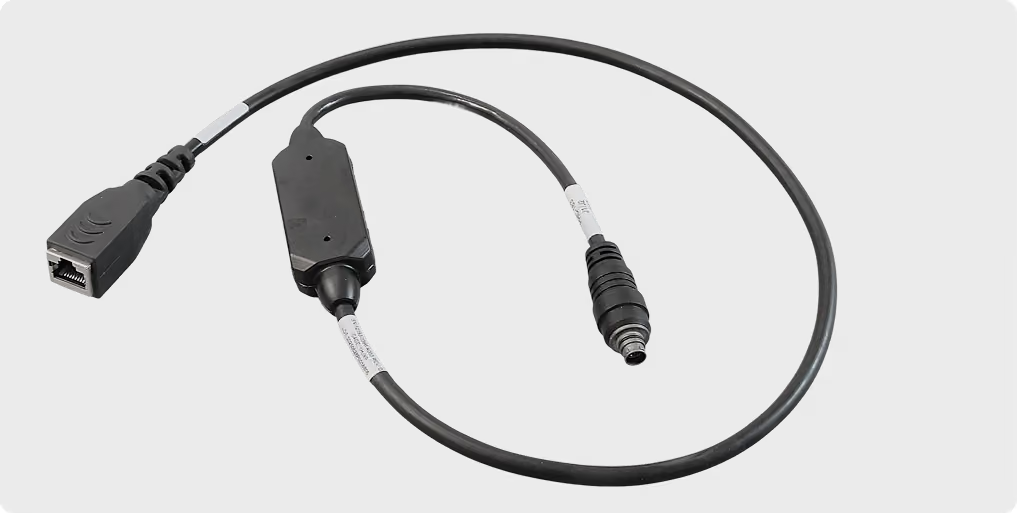
Up close with
Ethernet Adapter Cable
Skills & equipment used


- Defined signal integrity requirements for a wearable Ethernet connection
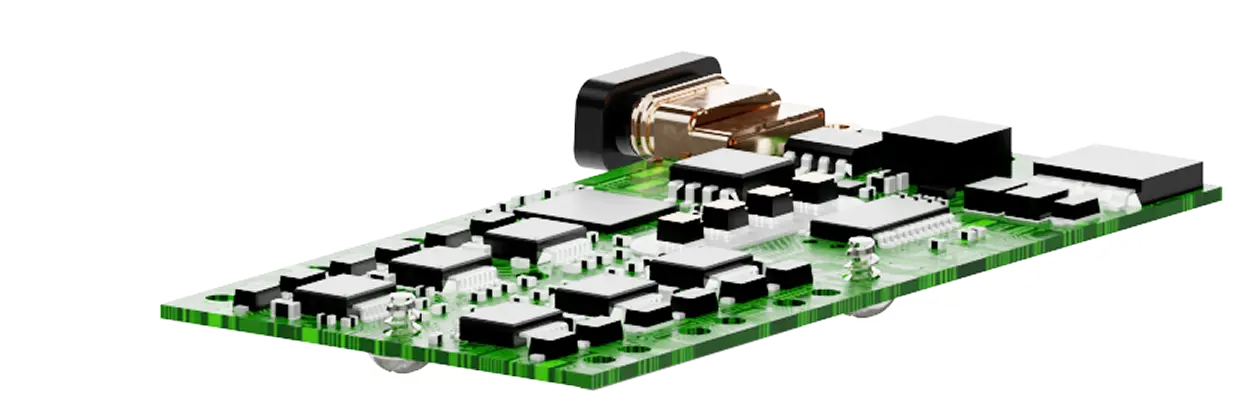
- Designed EMI-aware interfaces to operate alongside radios and other electronics

- Defined connector transitions to protect device ports under repeated use
- Accounted for routing, bending, and body-worn constraints in the design


- Translated field use cases into clear design requirements
- Defined what a wearable Ethernet solution needed to be, not just what it connected

- Designed to meet MIL-STD-461 requirements for EMI and electrostatic discharge
- Designed to meet MIL-STD-810 requirements for environmental durability
- Considered how the cable fits into tactical kits and worn systems